TICK SEASON:
In New England, tick season no longer waits for summer. By March, as temperatures begin to rise and snow melts away, ticks start to reappear across wooded areas, fields, parks, and even backyards. Mild winters and fluctuating temperatures have made early spring an increasingly active time for ticks, especially blacklegged ticks, also known as deer ticks, which are responsible for transmitting Lyme disease and other tick borne illnesses.
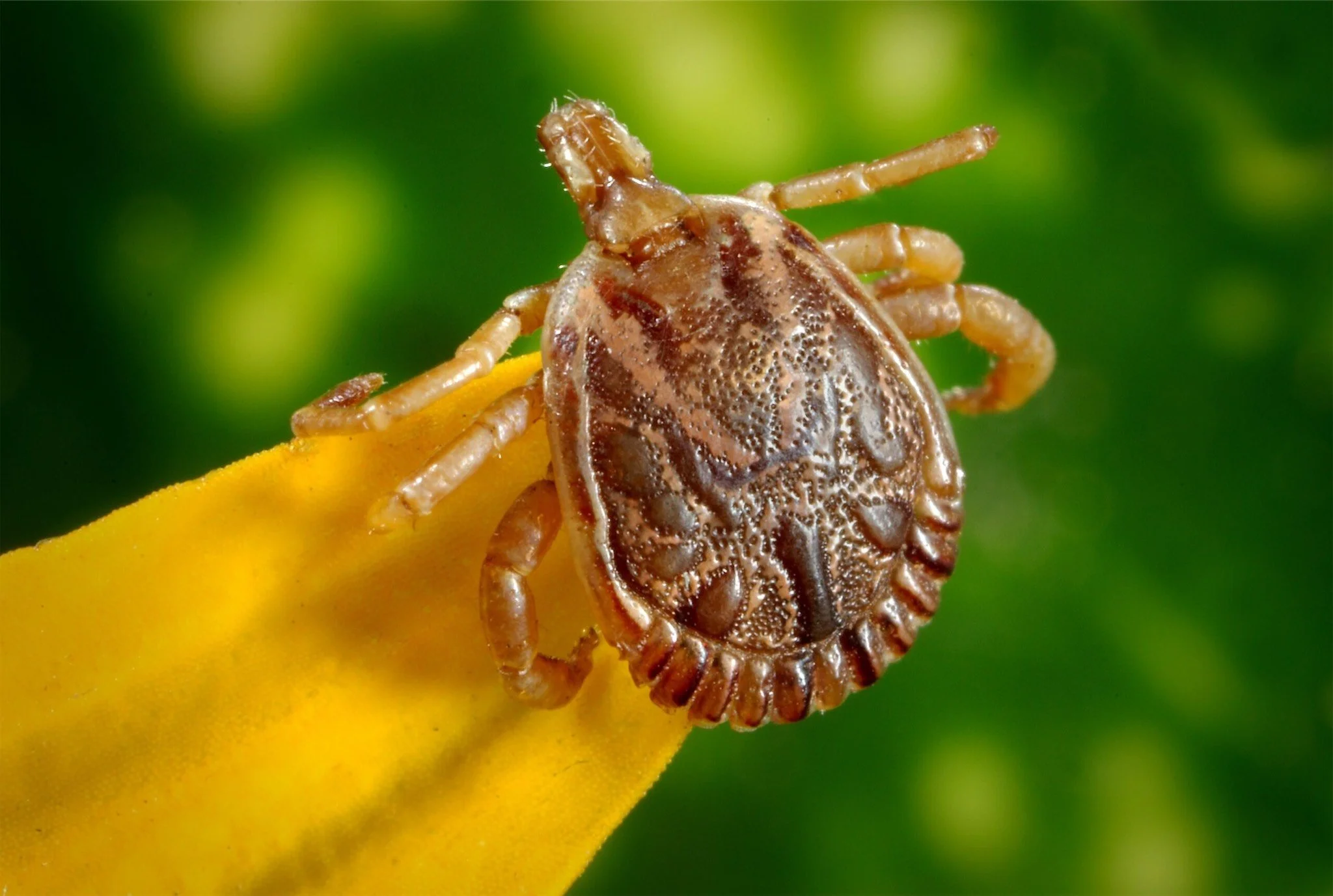
March is a key month for awareness and prevention. Adult ticks can become active whenever temperatures rise above freezing, and early spring hikes, yard cleanups, and dog walks create easy opportunities for exposure. Ticks are commonly found in leaf litter, tall grass, stone walls, and along the edges of wooded trails. Even short outdoor activities can lead to contact if precautions are not taken.
Protective habits are especially important at the start of the season. Wearing light colored clothing makes ticks easier to spot, and tucking pants into socks can help prevent ticks from reaching the skin. Performing full body tick checks after spending time outdoors remains one of the most effective ways to reduce risk. Pets should also be checked regularly, as they can carry ticks indoors.
As New Englanders embrace the return of outdoor life in March 2026, staying informed and vigilant sets the tone for a healthier spring and summer ahead. Tick awareness is now part of seasonal wellness, much like sunscreen in July or layering in winter. A little prevention early in the season can make a meaningful difference all year long.
The Good News is: Since we had a deep freeze this year hopefully there will be less of the ticks!
And because we love Dogs (well all pets) ....
For pet owners in New England, tick season often begins earlier than expected. By March, as temperatures climb and snow recedes, ticks become active in yards, parks, wooded trails, and even urban green spaces. Dogs and outdoor cats are especially vulnerable, as their fur makes it easy for ticks to attach and go unnoticed.
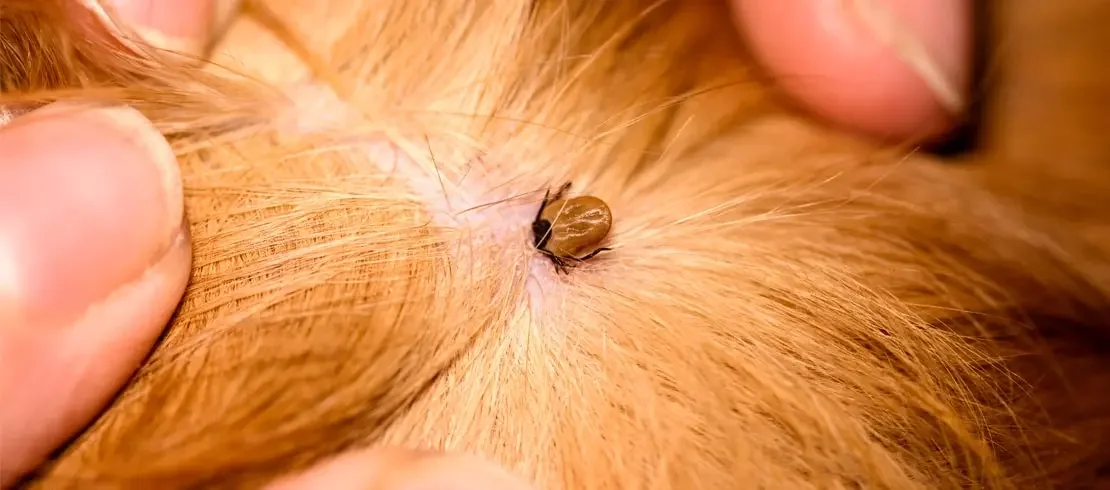
Pets can encounter ticks during routine activities such as walks, playtime in the yard, or hikes on local trails. Once attached, ticks may transmit illnesses such as Lyme disease, anaplasmosis, and ehrlichiosis, which can affect pets as well as the humans they live with. Because pets can carry ticks indoors, early prevention protects the entire household.
Daily tick checks are one of the most effective habits to start in early spring. Pay close attention to areas around the ears, neck, under the collar, between toes, and along the belly. Brushing pets after outdoor time can help spot ticks before they attach. Veterinarian recommended tick preventatives are especially important at the start of the season, even if winter has only recently ended.
March is also a good time to prepare outdoor spaces. Clearing leaf litter, trimming tall grass, and creating tidy borders between lawns and wooded areas can reduce tick habitat. Simple yard maintenance can significantly lower exposure for pets that spend time outside. Natural and Non-toxic sprays are highly suggested.
As spring 2026 begins, pet wellness includes tick awareness. Starting prevention early, staying consistent, and remaining observant allows pets to enjoy the outdoors safely while giving owners peace of mind throughout the season.