250 USA CELEBRATIONS for March 2026
📅 Key 250th Anniversary Events in Boston Area for March 2026

March 4, 2026 – Knox Trail 250 Ceremony in Roxbury
As part of the statewide Knox Trail 250 series honoring Henry Knox’s historic winter artillery transport in 1776, a ceremony is scheduled at First Church in Roxbury. This initiative traces pivotal steps that helped lead to the British evacuation of Boston.

MASS 250.org Saturday, March 7, 2026 - 1:00 pm - 3:00 pm
There is a two-hour Evacuation Day Cruise through Boston Harbor to explore the story of the Siege of Boston from the water (June 1775 to March 1776). They will navigate the same channels used by the British fleet to evacuate the town, Park Rangers will provide historical narration highlighting the key events, people, landmarks, and moments that led to the evacuation.
Departing from Long Wharf, the cruise passes by the Charlestown Navy Yard with views of the Bunker Hill Monument, Fort Independence (known as Fortress William in 1776) and Dorchester Heights, as well as several harbor islands including Little Brewster, home to Boston Light. As the ship swings around Little Brewster back towards Boston, enjoy musical entertainment by the duo Tobias Tripp and Prudence Merriweather, returning to Long Wharf at 3:00 p.m.

March 15, 2026 – 250th Anniversary Program in Sudbury
The town of Sudbury has announced a 250th anniversary event offering perspectives on the Revolution, including an indigenous viewpoint program. This helps connect local history with the broader national commemoration.
March 17, 2026 – Evacuation Day Commemoration in Boston
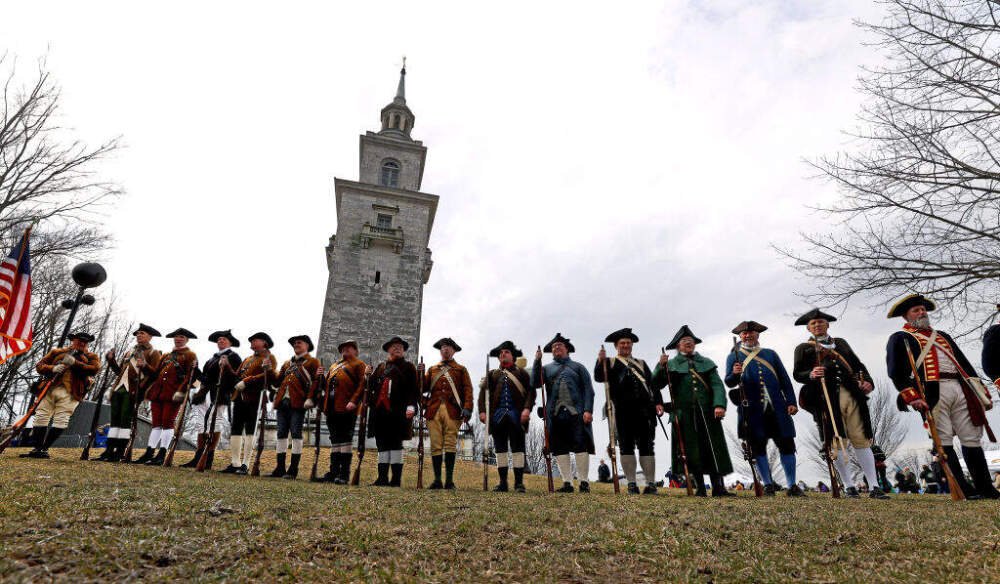
Boston will mark the 250th anniversary of the Evacuation Day, the successful conclusion of the Siege of Boston, with a full-day observance that includes ceremonial elements. Expect historical presentations, civic and possibly reenactment elements tied to this important Revolutionary moment. HELD: Outside Fort Independence, Castle Island, South Boston, William J Day Boulevard, Boston, Massachusetts 02127
Ongoing Celebrations & Public History Programs
Boston 250 Celebration Series
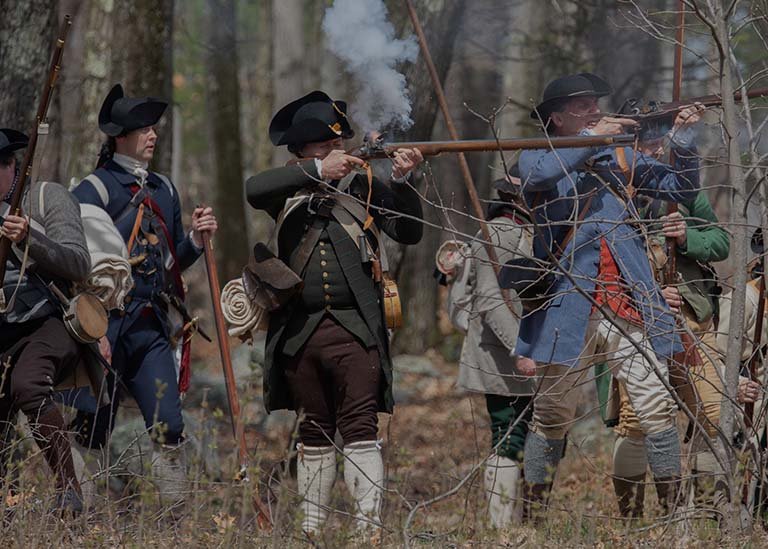
Throughout 2026, the City of Boston 250 initiative will include talks, exhibits, and interpretive programs that explore Boston’s role in American history as part of the semiquincentennial. These programs are designed to connect the past with current civic and cultural life.
National Park Service Commemorations
National Parks of Boston and related partners are offering educational activities and reflections on the 250th anniversary of the American Revolution that span from late winter into spring and beyond. These may include ranger talks, interpretive walks, and talks focused on pivotal Revolutionary sites. Events are listed closer to the dates.
Freedom’s Way 250 Storytelling Projects
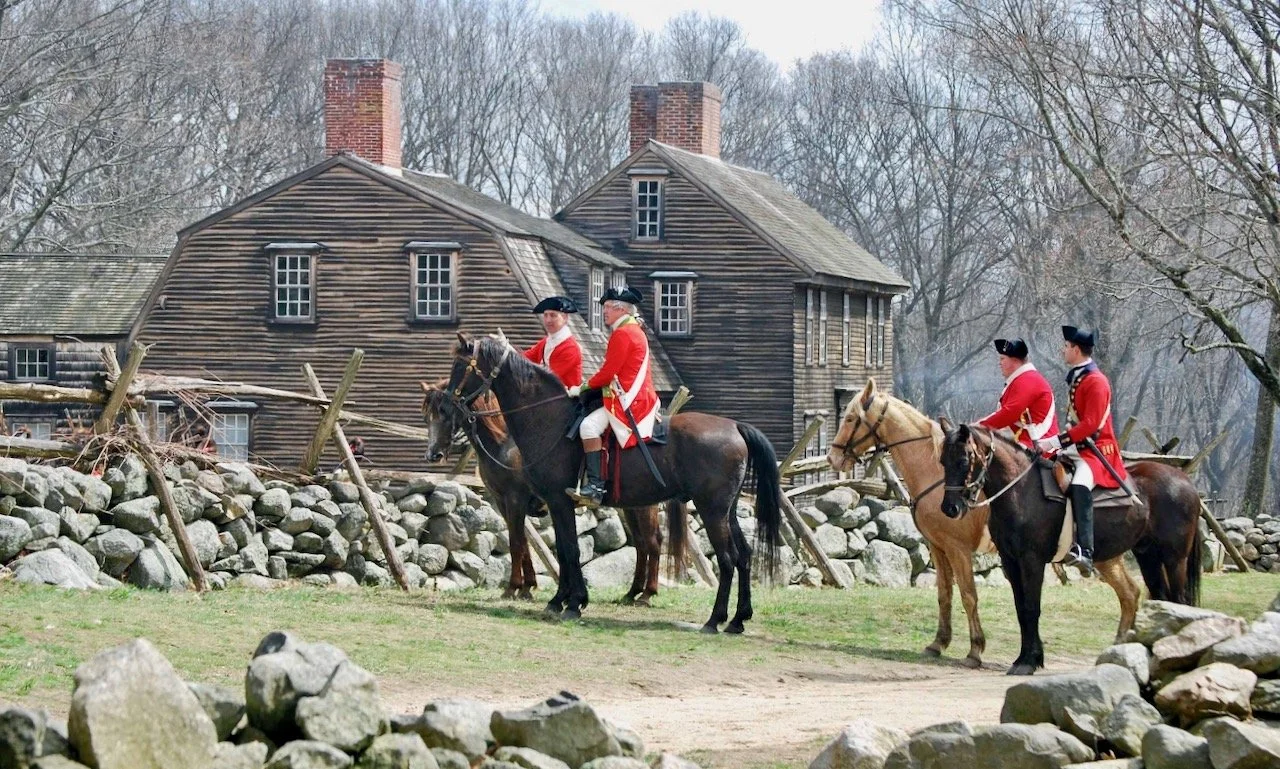
In towns around Boston and into the MetroWest and Central Massachusetts, thematic storytelling and community heritage activities are part of the Freedom’s Way 250 initiative, providing context and local programs tied to America’s founding events
ROAD TO REVOLUTION: OLD STATE HOUSE BOSTON – NOW THROUGH JANUARY 2027
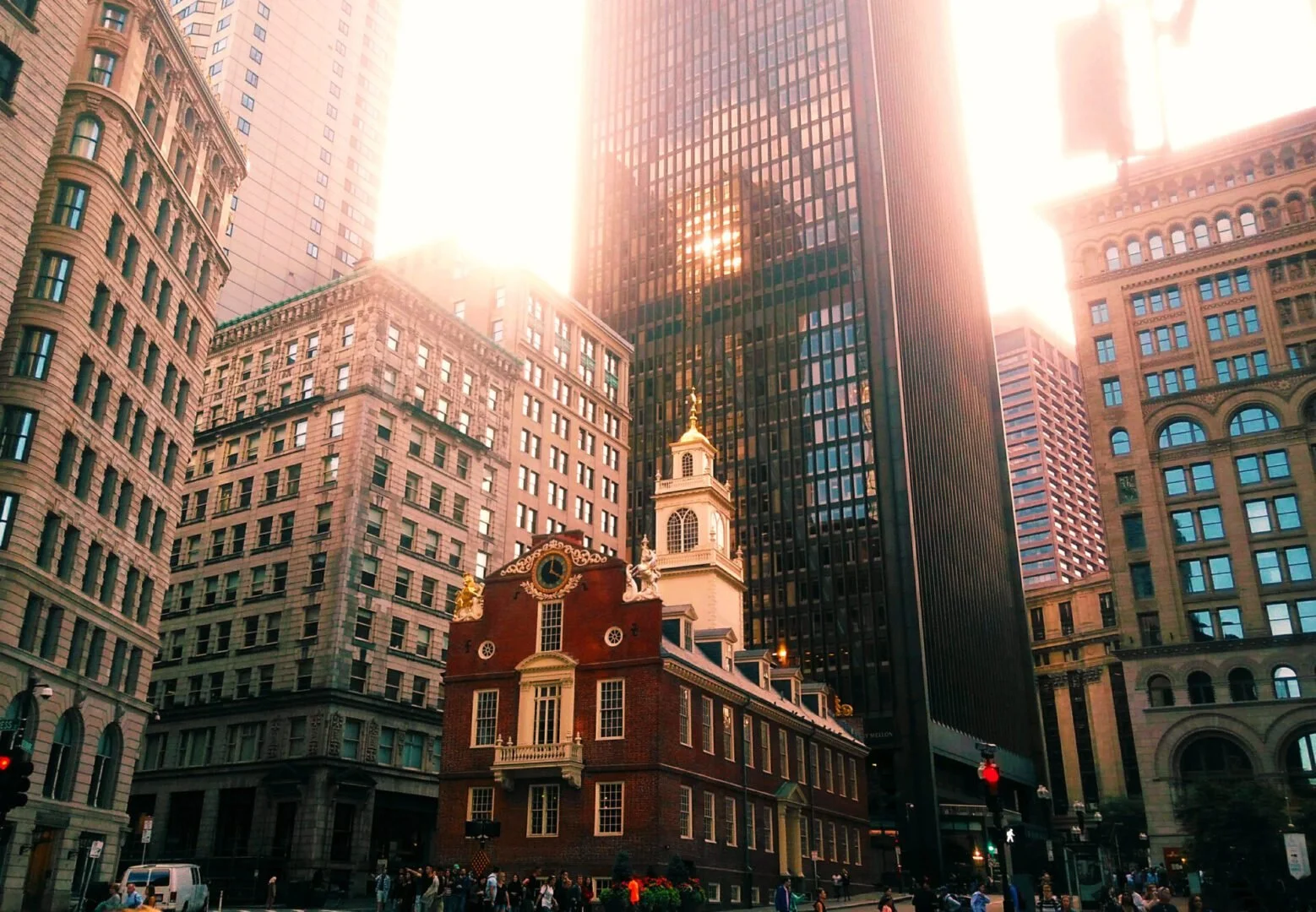
Step into the pivotal first year of the American Revolution at the Old State House, where protest gave way to action and momentum toward independence accelerated. Created through a partnership between Revolutionary Spaces and the Massachusetts Historical Society, The Road to Revolution: Massachusetts and the Independence Movement invites visitors into 1775 and 1776—a time marked by uncertainty, fierce debate, and world-changing decisions.
Commemorating the 250th anniversary of the American Revolution, this exhibition offers powerful and personal perspectives on the events that led to the Declaration of Independence. Through private letters, diary entries, and treasured artifacts from the MHS collection, visitors gain insight into the tensions, choices, and consequences that defined this transformative moment—and the individuals who shaped the fight for independence.
At the heart of the exhibition is an exceptionally rare 1776 Boston broadside printing of the Declaration of Independence, signed in type by John Hancock and Charles Thomson, on view as the nation marks its semiquincentennial. Surrounding artifacts—from battlefield remnants to personal belongings—illuminate the lived experience of resistance, war, and civic transformation. Step inside, encounter the voices of the past, and reflect on how the decisions made here continue to shape American democracy.
On view daily at the Old State House through January 2027. This exhibition is funded in part by the Massachusetts Office of Travel & Tourism.
Open 10-5 Daily
OLD SOUTH MEETING HALL:
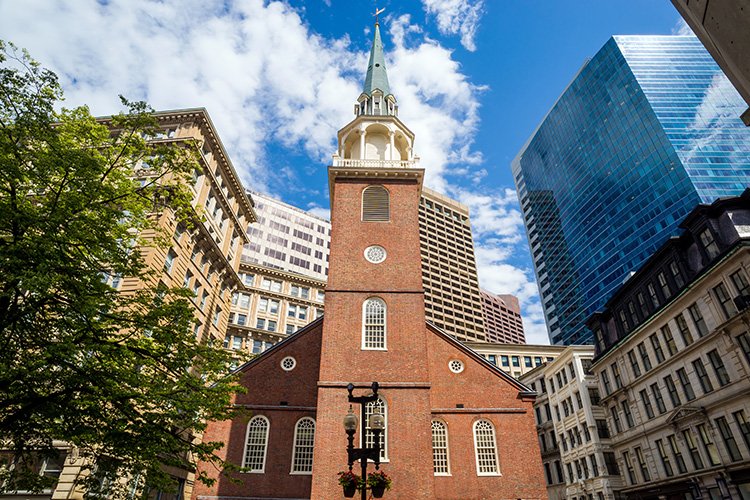
Old South Meeting House: Where Revolution Took Shape
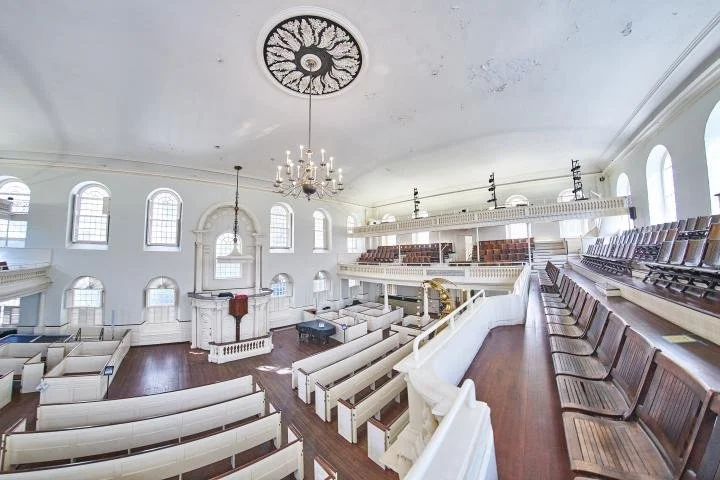
Nestled in the heart of downtown Boston at 310 Washington Street stands the Old South Meeting House, one of the city’s most important historic landmarks and a key site along the Freedom Trail. Built in 1729 as a Puritan meeting hall, it was the largest building in colonial Boston and quickly became the place where citizens gathered not just for worship but for debate and civic conversation.
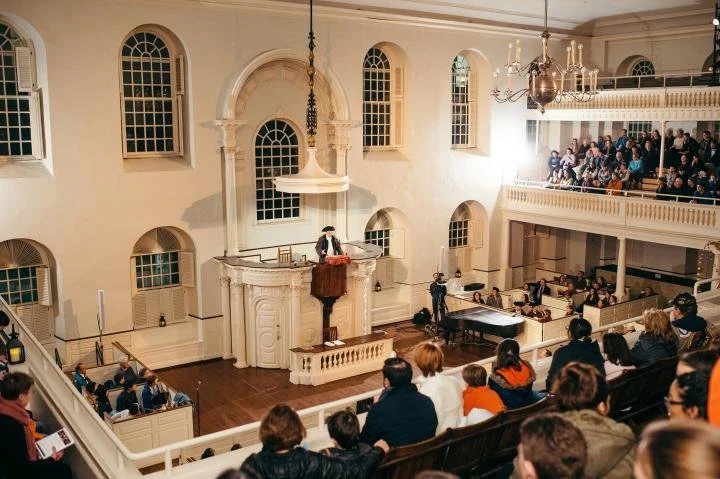
A Catalyst for Change
Old South’s role in American history is profound. In the years leading up to the Revolution, it served as the central gathering space for colonists to discuss British policies and organize resistance. Most famously, on December 16, 1773, an overflow crowd of as many as 5,000 colonists packed into the Meeting House to protest the tea tax. When debate failed to produce a compromise, Samuel Adams signaled the crowd, leading them to nearby Griffin’s Wharf — where the Boston Tea Party began.
The building’s significance extends beyond that one event. It was a site for protests after the Boston Massacre and a hub of spirited public discourse at a time when free speech was still a radical idea.
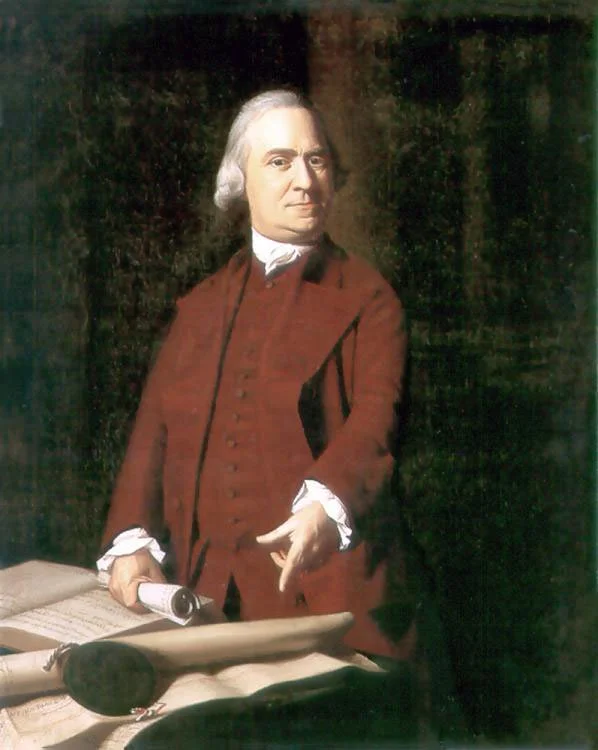
Sam Adams
Before independence was inevitable, it was controversial — and Samuel Adams helped make it unavoidable. A master organizer and relentless voice for colonial rights, Adams understood that change begins with conversation, then community, then courage. Through town meetings, pamphlets, and networks like the Committees of Correspondence, he transformed scattered frustration into unified resistance. In Massachusetts, protest turned into purpose — and Adams was one of the sparks that kept the fire burning.
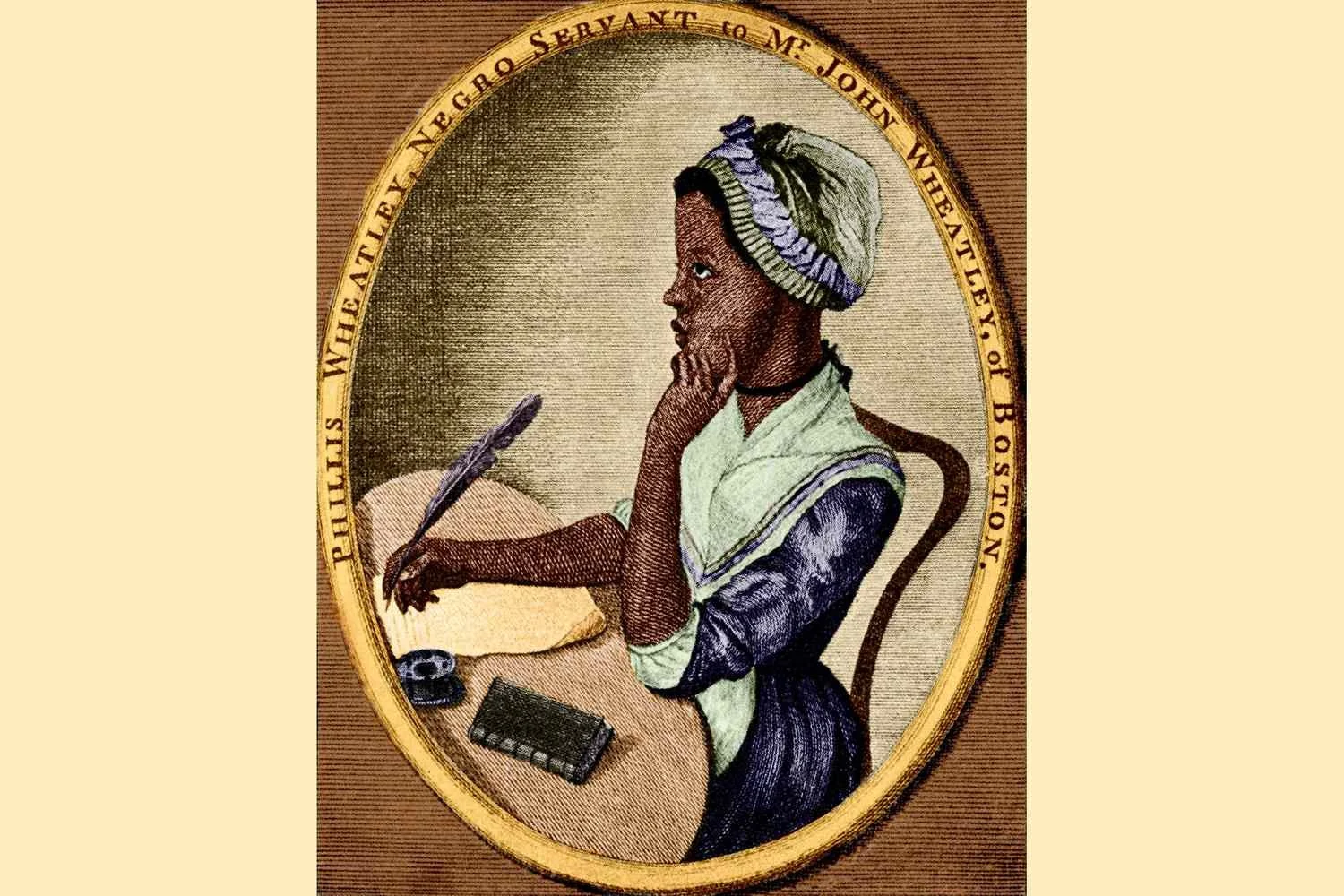
Phillis Wheatly
Phillis Wheatley’s revolution happened on the page. Enslaved as a child and brought to Boston, she became one of the first published African American poets at a time when both her freedom and her intellect were doubted. Her 1773 collection, Poems on Various Subjects, Religious and Moral, challenged the world to reconsider who could speak about liberty, and who liberty was truly for. Wheatley’s very existence as a published poet was catalytic, exposing the moral contradictions of a nation declaring independence while denying freedom to many.
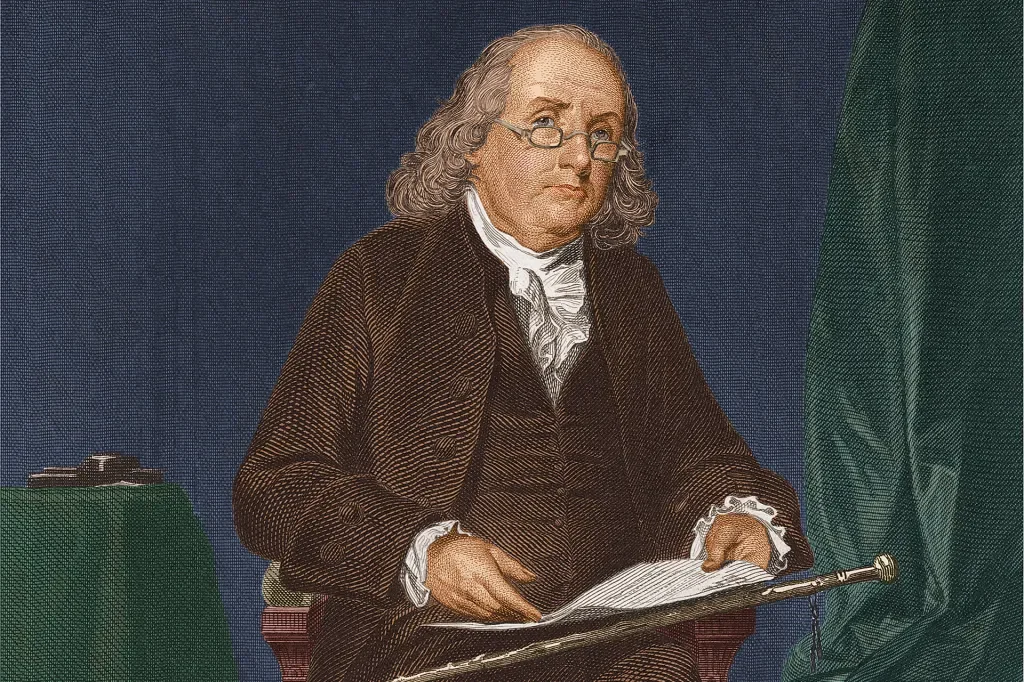
Benjamin Franklin
Benjamin Franklin was proof that ideas can be as powerful as armies. Printer, inventor, diplomat, and thinker, Franklin moved fluidly between science, politics, and philosophy. When revolution required international support, it was Franklin’s diplomacy in France that helped secure it. He believed in practical change, in building institutions, forging alliances, and turning bold ideals into working systems. In many ways, Franklin represents the bridge between revolutionary passion and nation-building.
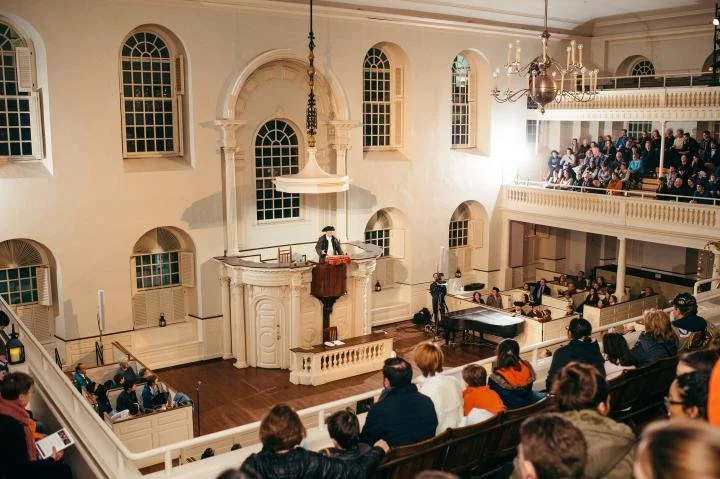
Preservation and Legacy
Old South narrowly avoided demolition in the late 19th century and became one of the earliest successful historic preservation efforts in New England. Community leaders, including abolitionists and writers like Ralph Waldo Emerson, rallied to save it — launching a movement that would later protect countless historic sites nationwide.
Today, the Meeting House stands as a National Historic Landmark, celebrated for its architectural simplicity, its dramatic history, and its powerful symbolism in America’s quest for freedom.
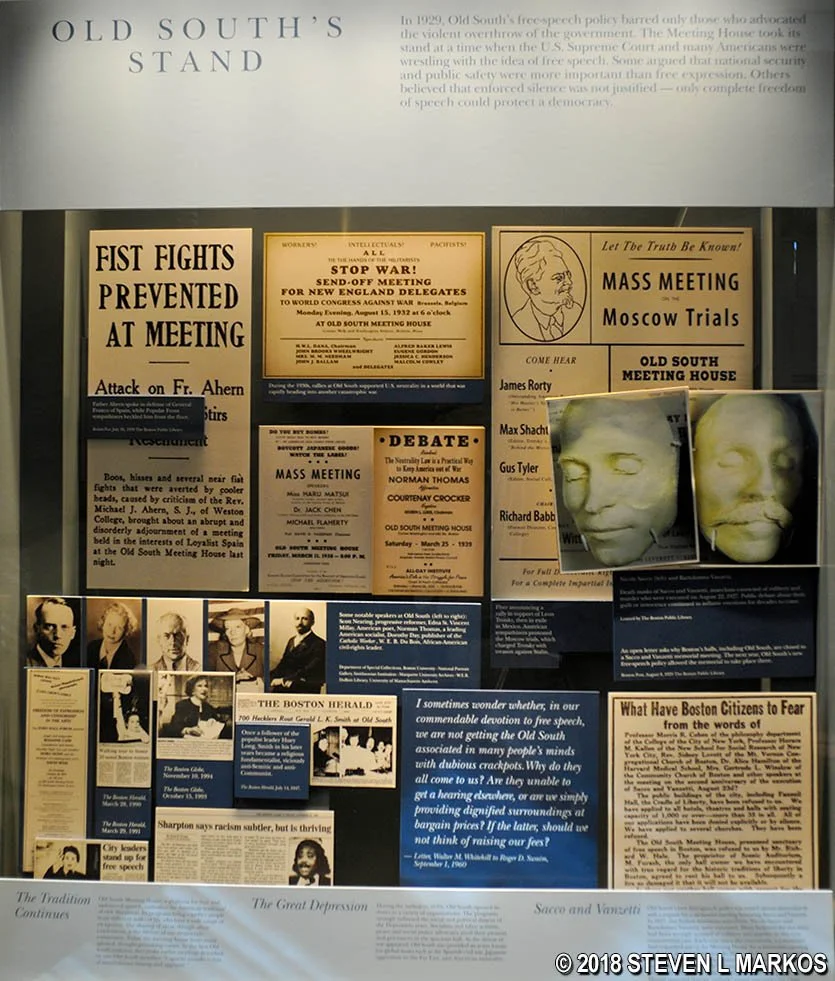
Exhibits That Bring History to Life
As a museum and educational site operated by Revolutionary Spaces, Old South’s exhibits explore centuries of civic action and protest. Its ongoing installation, “Voices of Protest,” offers visitors a chance to hear the stories of the people whose ideas and courage shaped the nation.
Visitors can also see compelling artifacts — including items tied to the Tea Party and exhibits that connect colonial debate to today’s conversations about democracy and civic engagement.
A Living Space for Dialogue
The Meeting House isn’t just a relic; it remains true to its roots as a place for public discussion and community engagement. In addition to exhibits, the space hosts gallery talks, tours, music, and public programs that continue the tradition of thoughtful exchange that began nearly three centuries ago.
🕰️ Hours of Operation
The Old South Meeting House is open daily from 10:00 AM to 5:00 PM. That makes it easy to plan a visit any day of the week.
🎟️ Tickets & Admission
You can visit the Old South Meeting House and the nearby Old State House with a single ticket, which includes access to both historic sites, all exhibits, and gallery talks.
Price Range
Adults: around $15
Seniors (65+): around $13
Students (with ID): around $13
Children (ages 6–12): around $8
Some discounts available for veterans, teachers, and certain students.
Joint Freedom Trail Ticket Option
There’s also a joint ticket option available at the Boston Common Visitor Center that combines the Old South Meeting House, Old State House, and Old North Church at a discounted price — a great choice if you plan to explore more of Boston’s Revolutionary history.
🧭 Planning Your Visit
Best Time to Visit: Mornings or late afternoons tend to be quieter, making it easier to take in the exhibits and historic atmosphere.
Recommended Duration: Allow about 30–60 minutes for the Old South Meeting House itself. If you’re also visiting the Old State House, plan for roughly 1.5 to 2 hours total for both.
No Reservation Needed: Typically you don’t need to reserve ahead for general admission, though buying tickets online ahead of time can help during busy tourist seasons.
🚆 Getting There & Parking
The site is located at 310 Washington Street in the heart of downtown Boston.
It’s very easy to reach via the MBTA:
Orange/Blue Line: State Street Station (right nearby)
Green Line: Government Center Station (about a block away)
Red Line: Downtown Crossing (a short walk)
If you’re driving, several parking garages are within a short walk, such as the Post Office Square Garage or Pi Alley Garage.
🧠 Visitor Tips
The Old South Meeting House is fully accessible and suitable for most visitors.
Plan to combine your visit with other Freedom Trail stops like Faneuil Hall or Boston Common for a full day of history exploration.
Arrive early if you want a quieter experience or hope to catch a gallery talk or guided program while you’re there
📜 “Voices of Protest” – Core Exhibit
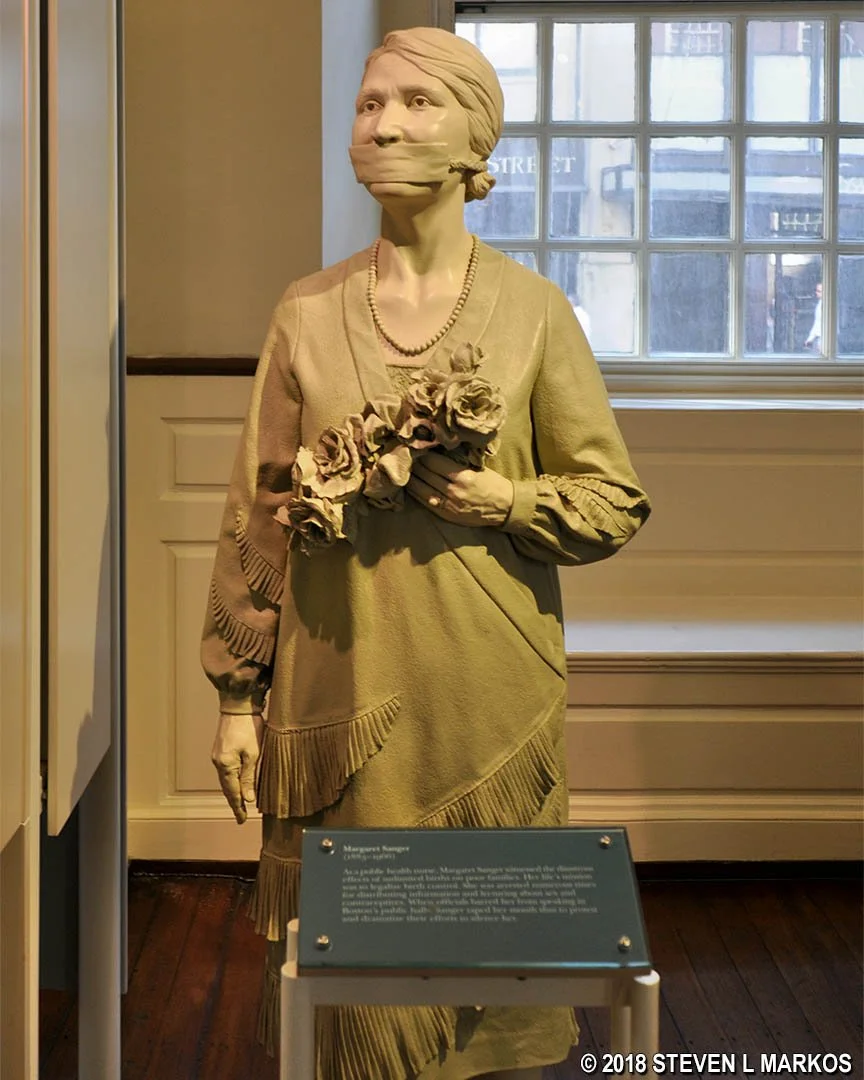
At the Old South Meeting House itself, the ongoing main exhibit Voices of Protest continues to be featured. This presentation highlights the stories of people who shaped the Meeting House’s historic role in debate and revolution — from colonial patriots to lesser-known voices — showing how dissent and civic engagement helped lead toward American independence.

🔍 Monthly Spotlight: Black Congregants and OSMH (Feb 23 – Mar 22, 2026)
Through March 22, 2026, the museum is hosting a special Monthly Spotlight display exploring the experiences of Black congregants at the Old South Meeting House during the colonial era. This exhibit examines how free and enslaved Black worshippers participated in spiritual life there, as well as the complex realities of race, Christianity, and slavery in 18th-century Boston. This is an engaging way to learn more about overlapping histories of faith, race, and early American society.
🗣️ Related Program: Living Room History Conversation
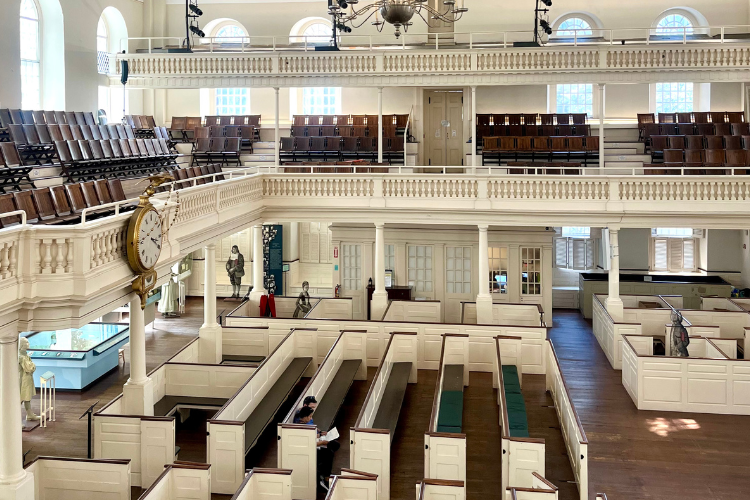
In addition to exhibits, a History and Society: An In-Person Living Room Conversation was held recently at the Meeting House, bringing people together to explore how historical narratives are shaped and shared — adding a present-day dimension to learning about the past in this historic setting.
📍 What to Expect
Historical context: Exhibits connect Old South’s role in civic action and dissent.
Rotating spotlights: Monthly focuses like the one on Black congregants bring fresh perspectives and new objects or stories each season.
Gallery talks and events: Exhibition programming often includes discussions or tours that deepen understanding.
For More Info on all these events and more: https://massachusetts250.org/events/