Pirate Ships
Pirate Ships: The Basics
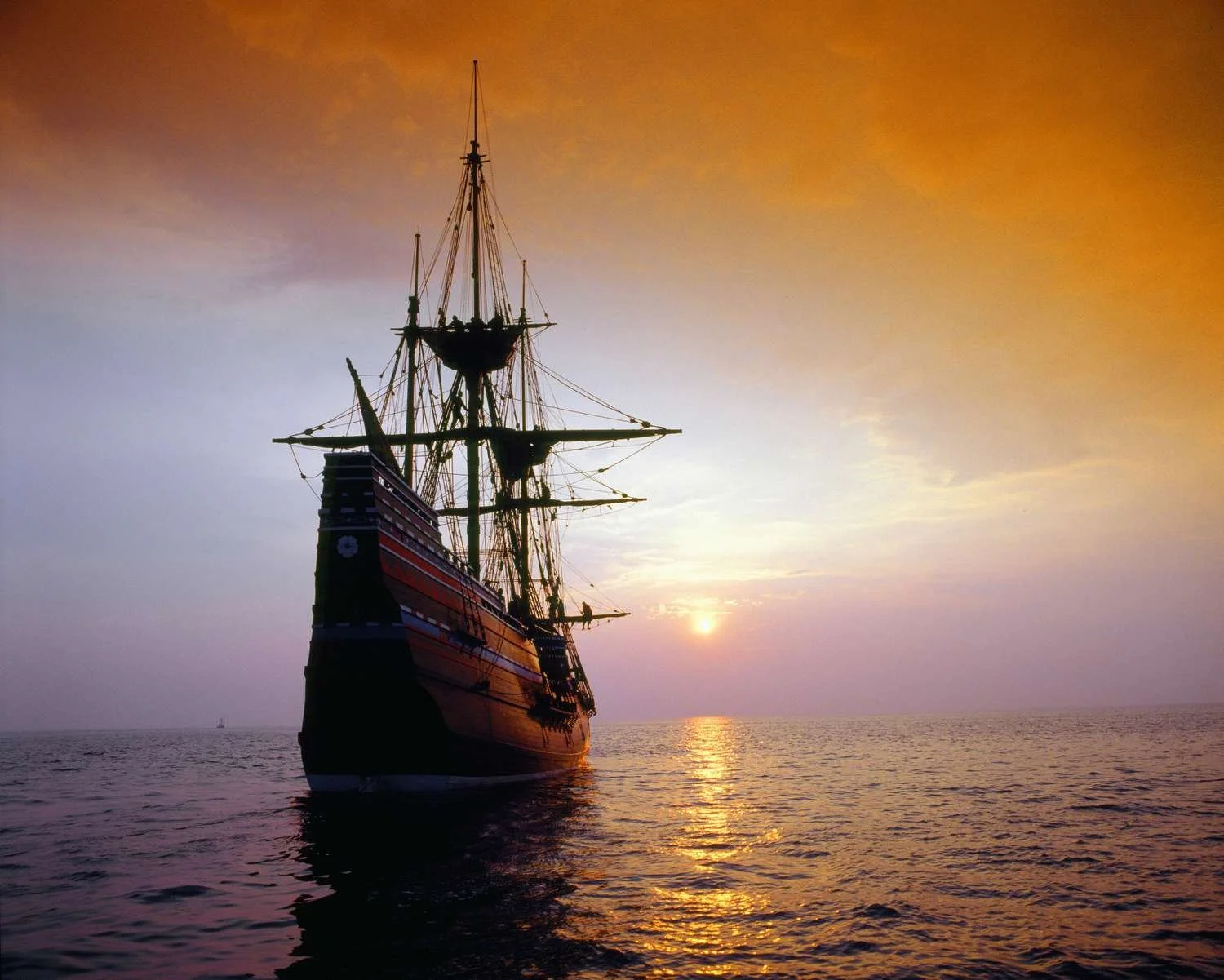
Pirate ships were the backbone of piracy from the 1600s through the early 1700s, often called the Golden Age of Piracy. Unlike the large, heavily armed naval vessels of the time, pirate ships were usually smaller, faster, and more maneuverable, designed to chase down merchant ships or escape authorities.
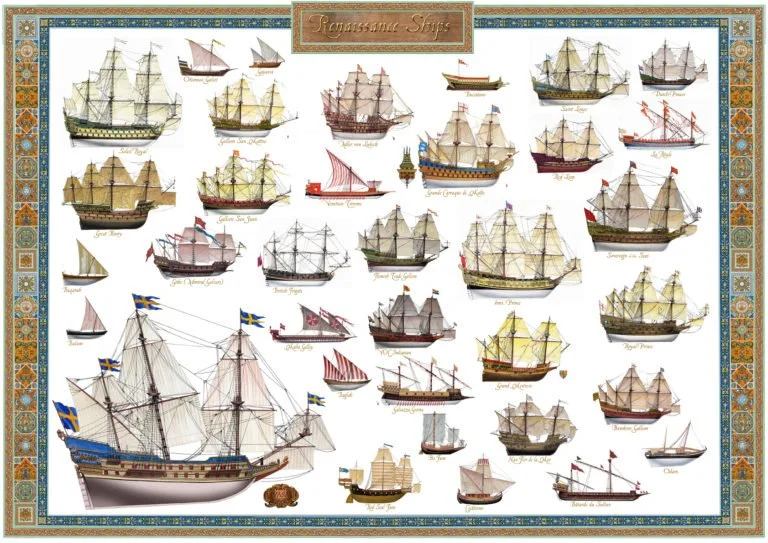
Common types of pirate ships:
Sloops: Small, fast, single-masted ships. Highly favored by pirates for their speed and agility. Perfect for navigating shallow waters and rivers.
Brigs and Brigantines: Two-masted ships capable of carrying more crew and cargo. They offered a balance of speed and firepower.
Galleons: Larger ships occasionally used by pirates if captured from navies or merchant fleets. They were slower but could carry heavy cannons.
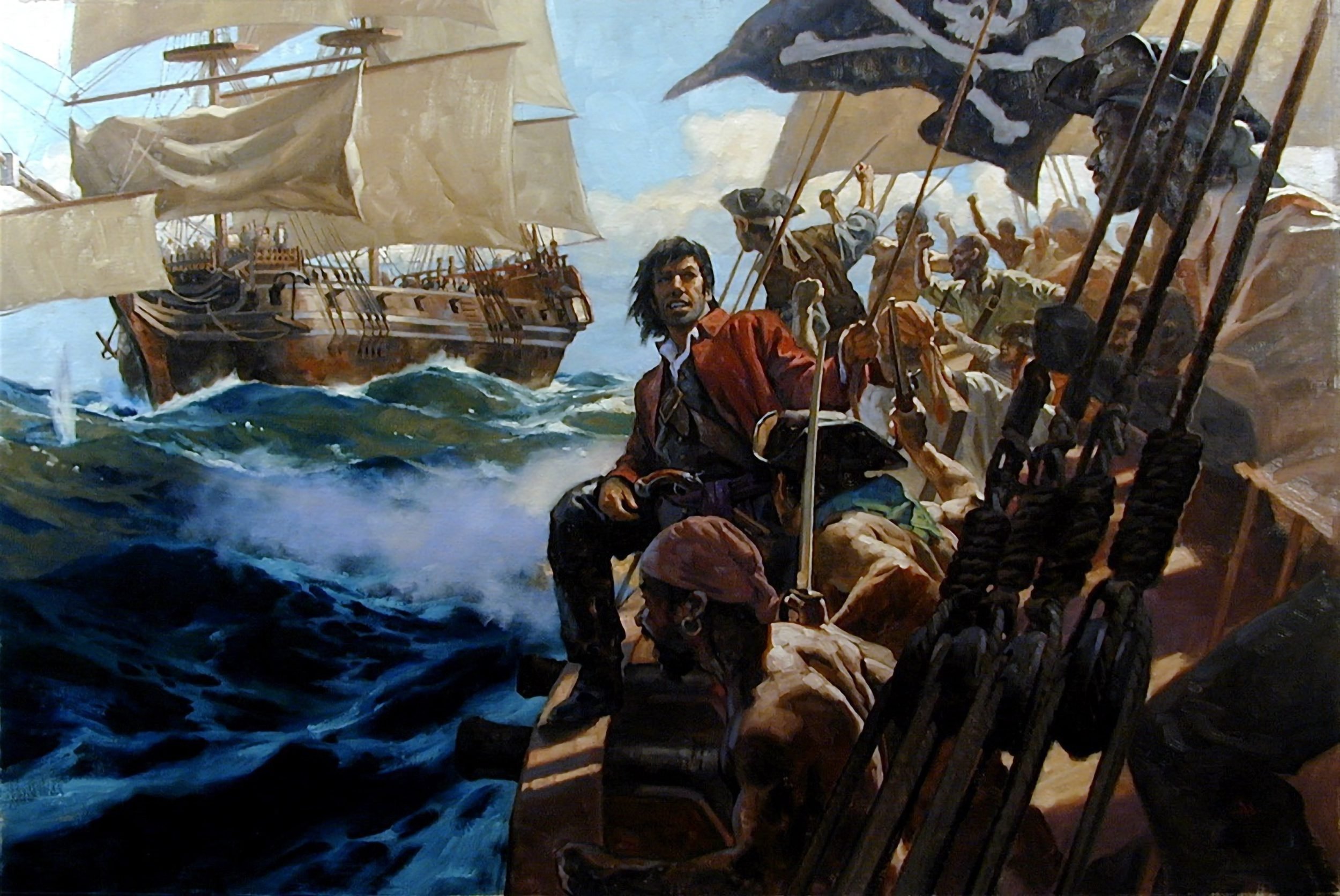
Pirates often modified ships for their needs, adding extra cannons, reinforcing the hull, or removing unnecessary weight to maximize speed. The iconic Jolly Roger flag, often a skull and crossbones, was used to intimidate victims into surrendering without a fight.
Pirate Activity in New England
While the Caribbean is the most famous pirate hotspot, New England had its share of pirate history:
Early Colonial Piracy: During the 1600s and 1700s, New England’s coastlines, rivers, and harbors provided opportunities for pirates to attack merchant ships, smuggle goods, and even hide from authorities.
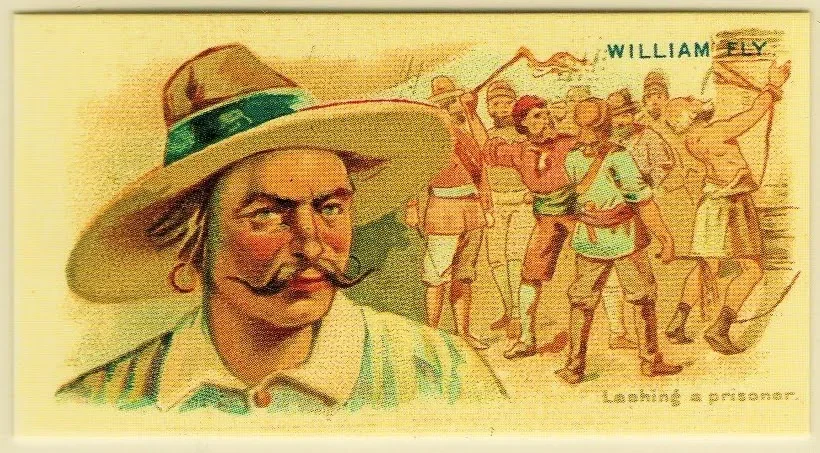
Famous Figures: One of the more notorious pirates linked to New England was Captain William Fly, who was executed in Boston in 1726 for piracy. His story reflects how piracy could reach even major port cities.
Smuggling and Privateering: Many colonial ports, like Boston and Salem, were involved in trade that blurred the line between legal privateering (government-sanctioned attacks on enemy ships) and outright piracy. Some merchants covertly supported pirates to increase profits.
Pirate Haunts: Islands off the Massachusetts coast, like Nantucket and Marblehead, were sometimes used by pirates to anchor, hide, or resupply.
Life Aboard Pirate Ships
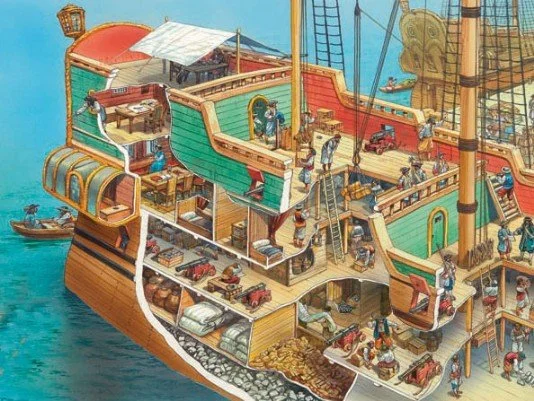
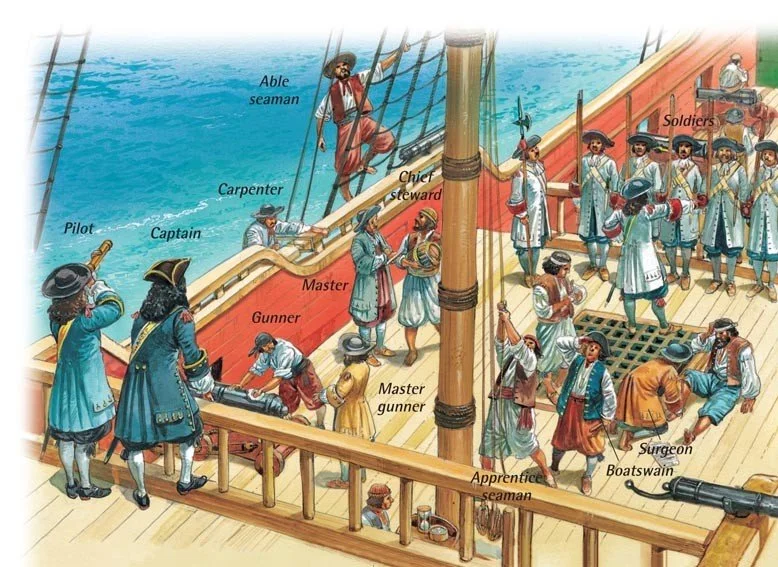
Crew: Pirate crews were often democratic compared to naval ships. Captains were elected, and loot was divided according to agreed-upon shares.
Daily Life: Long days at sea involved maintaining the ship, keeping watch for targets, navigating, and sometimes battling storms or enemies. Conditions were harsh, with limited food and water, cramped quarters, and the constant risk of violence.
Weapons: Cannons, muskets, pistols, cutlasses, and boarding tools were common. Pirates relied on intimidation and surprise more than extended combat.
Pirate ships in New England left their mark on local folklore and maritime history, even though the region never saw the same scale of piracy as the Caribbean. Museums, historical societies, and recreated ships in New England today celebrate this adventurous and often dangerous period of early American history.
Pirates of New England: Ships, Stories, and History
When you think of pirates, the Caribbean probably comes to mind. But New England has its own swashbuckling history. From the 1600s through the early 1700s, pirate ships prowled the coast, attacking merchant vessels, smuggling goods, and sometimes hiding out in the region’s islands and harbors.
Pirate Ships in New England
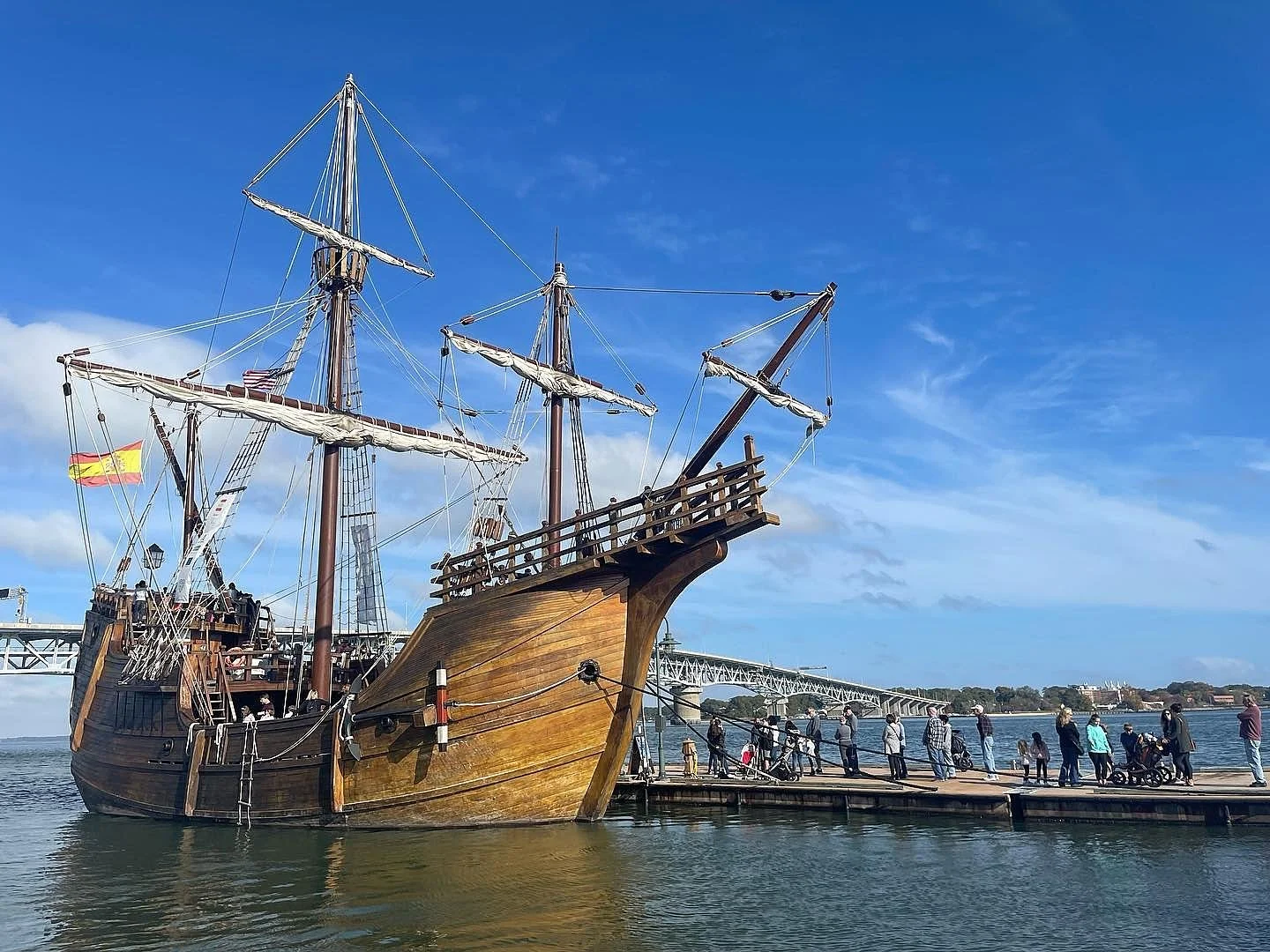
Pirate ships were built for speed and agility. Smaller vessels like sloops could navigate shallow rivers and hide in coves, making them perfect for quick raids. Brigs and brigantines, with two masts, offered a balance of speed and firepower, while captured larger ships sometimes became floating pirate fortresses. Pirates often reinforced their vessels, added cannons, and flew the iconic Jolly Roger flag to scare merchant crews into surrendering without a fight.
Notable Pirates and Ports
New England had its share of infamous pirates. Captain William Fly, for example, was hanged in Boston in 1726 for piracy, showing that even major colonial ports were not immune to the scourge of piracy. Coastal towns like Salem, Marblehead, and Boston were hotspots for both trade and smuggling, sometimes blurring the line between legal privateering and piracy. Islands off the Massachusetts coast, such as Nantucket and some of the smaller, hidden coves, were used as anchorages or temporary hideouts.
Life Aboard a Pirate Ship
Life at sea was rough. Pirate crews often voted on their captains and divided loot fairly, a far cry from the rigid hierarchy of navy ships. Days were spent maintaining the ship, keeping watch, navigating, and preparing for battles. Quarters were cramped, food and water were scarce, and danger was always near. Cannons, muskets, pistols, and cutlasses were standard, but pirates relied heavily on speed, surprise, and intimidation.
Why It Matters
Pirate ships in New England left a lasting mark on local folklore and maritime culture. While the region never saw the same scale of piracy as the Caribbean, these stories of daring raids, hidden treasures, and clever seafarers bring early American history to life. Today, museums, historical societies, and recreated ships let visitors experience a taste of this adventurous and dangerous world.