Historic feature Samuel Lincoln:
Samuel Lincoln House and Related Early Lincoln Homesteads in Massachusetts
Who was Samuel Lincoln
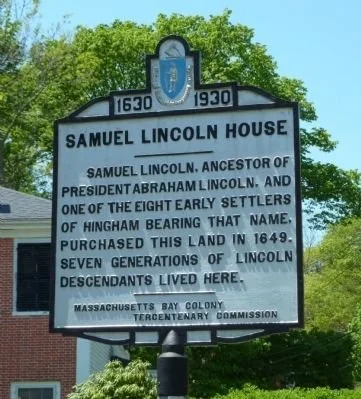
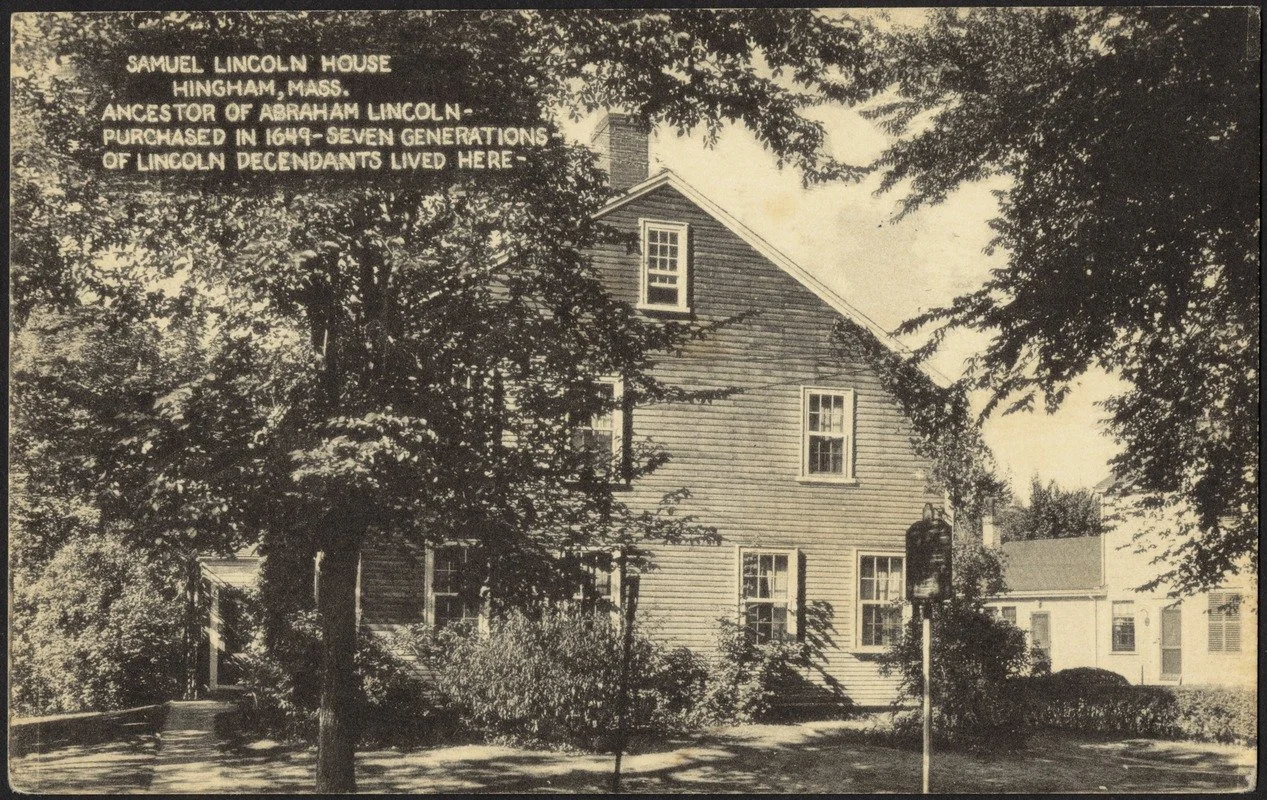
Samuel Lincoln (1622–1690) was an early English immigrant who came from Hingham, England to the Massachusetts Bay Colony in 1637. He settled in what became the town of Hingham, Massachusetts. In 1649, records show he acquired a dwelling house and two acres of land at what is now North Street in Hingham.
Samuel helped build the town’s early institutions, including the Old Ship Meeting House, recognized as the oldest wooden church structure still in use in the United States. He is historically significant because he is an ancestor of Abraham Lincoln and is counted as Abraham Lincoln’s fourth great-grandfather.
The Historic Homes: Samuel Lincoln House and Cottage
Samuel Lincoln House (circa 1721, 170 North Street, Hingham)
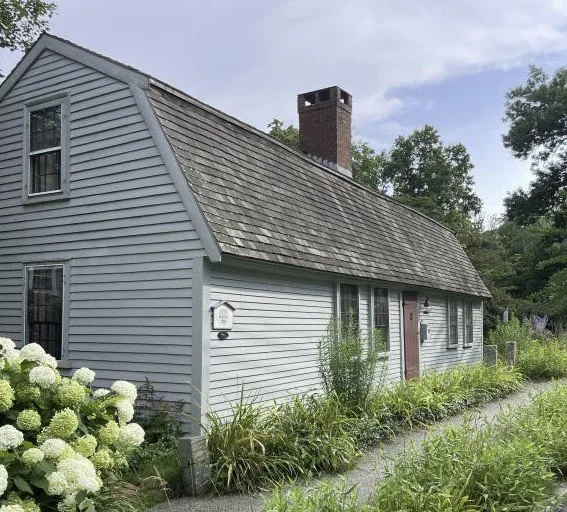
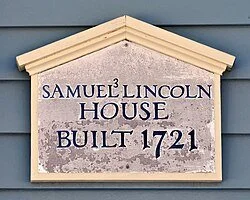
The house at 170 North Street, often called the Samuel Lincoln House, occupies the land deeded to Samuel in 1649. The present structure dates to 1721 and was built by a descendant, not the original Samuel Lincoln who died in 1690. The lineage of ownership links back to Samuel’s family, and over the centuries the homestead was inherited by successive generations.
Historically, the property is a rare surviving example of a colonial-era homestead with direct links to early settlers and to the founding of Hingham.
Samuel Lincoln Cottage (circa 1650 or early 1700s, 182 North Street, Hingham)
There is also a smaller building known as the Samuel Lincoln Cottage. Historical sources suggest it may date as early as 1650, or possibly to the early 1700s. The cottage was reportedly moved to its present location in 1784. For a time, when it was owned by a preservation group, it was occasionally opened to the public as a museum home. The cottage and the main house are located within the Lincoln Historic District, a historic area preserving key aspects of Hingham’s colonial and early American architecture and legacy.
Historical Importance and Legacy
The land’s link to one of Hingham’s first English settlers provides a tangible connection to early colonial settlement and the beginnings of modern New England. Through successive generations, the Lincoln houses embody layers of family, town, and early American history, capturing the transformation from 17th-century settlement through colonial life and beyond.
The fact that descendants of Samuel Lincoln remained connected to the homestead across multiple generations adds to the historical continuity, which is fairly rare in New England where many colonial-era properties have been lost or heavily changed. The homes and district also serve as reminders of early civic and community life in Hingham, from initial land grants and settlement patterns to the development of town institutions like the Old Ship Meeting House.
Complications and What is Uncertain
The name Samuel Lincoln House can be confusing. The original immigrant could not have lived in the 1721 house, which was built by a descendant. Historical records show different structures associated with the Lincoln legacy, including the main house, the cottage, and possibly earlier dwellings. Some uncertainty remains about exact construction dates, moves, and renovations over the centuries. Because of these layers of reconstruction and reinterpretation, what you see today may include modern alterations alongside genuine historical elements.
Why It Matters
For anyone interested in colonial American history, early settlement in Massachusetts, or genealogical ties to major American figures like Abraham Lincoln, the Samuel Lincoln House and Cottage offer a rare living connection. Walking the streets of modern Hingham and seeing the house or cottage where a family like the Lincolns lived across centuries brings history alive in a concrete and meaningful way.