Historic Norumbega Park — Newton, Massachusetts
Origins and Significance
Norumbega Park began as a destination at the end of a trolley line operated by the Commonwealth Avenue Street Railway Company. The idea was to encourage ridership by offering a place for leisure, and it quickly became one of the region’s most popular recreation spots.
What the Park Offered
At its height, Norumbega Park featured:
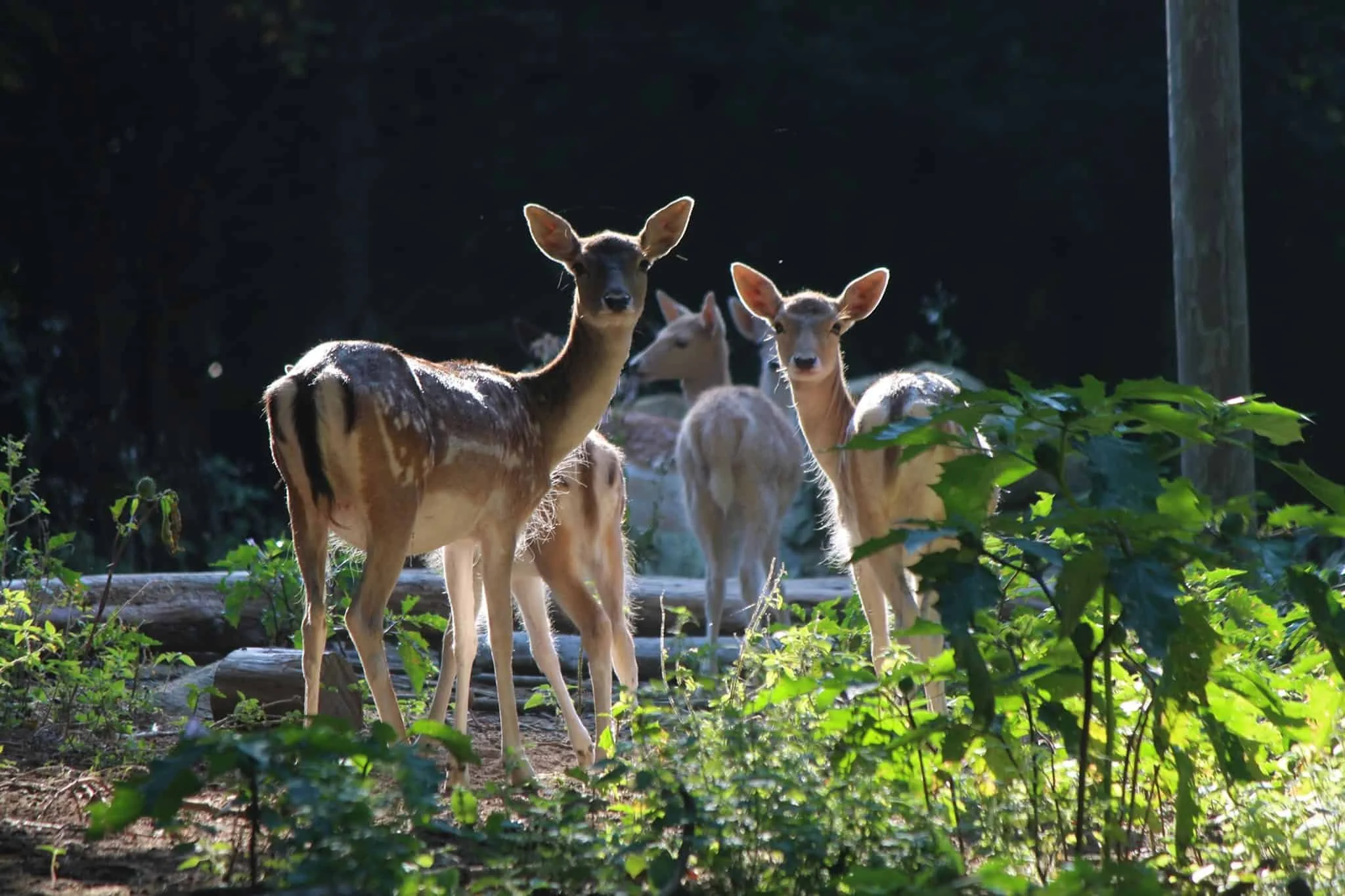
A deer park where visitors could see wildlife up close

A zoo with various animals
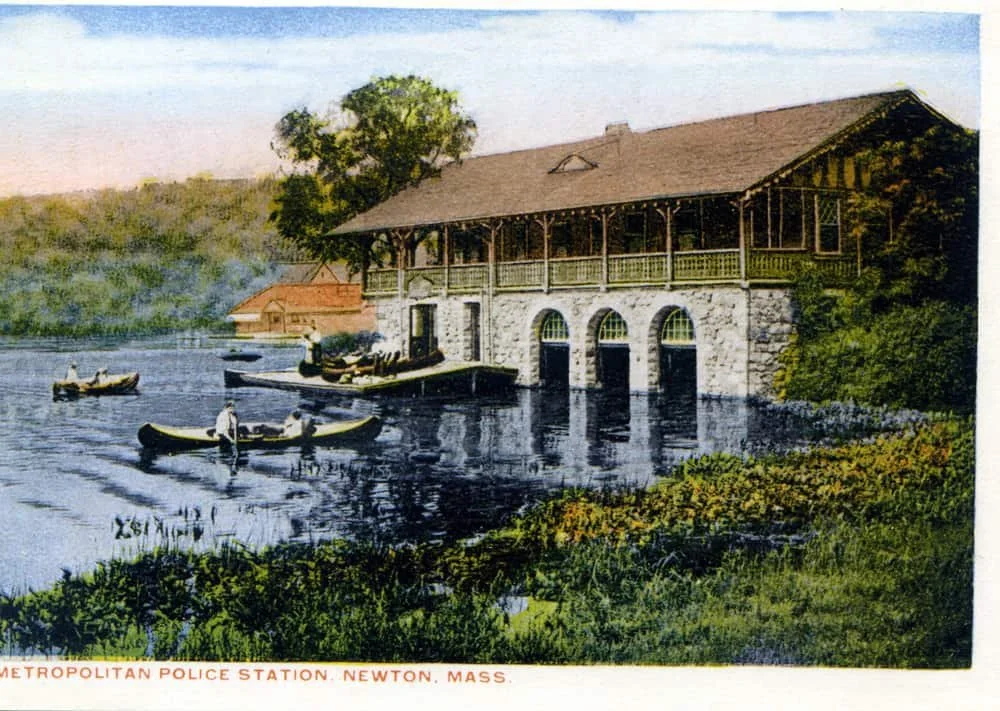
Canoe and boating facilities on the Charles River
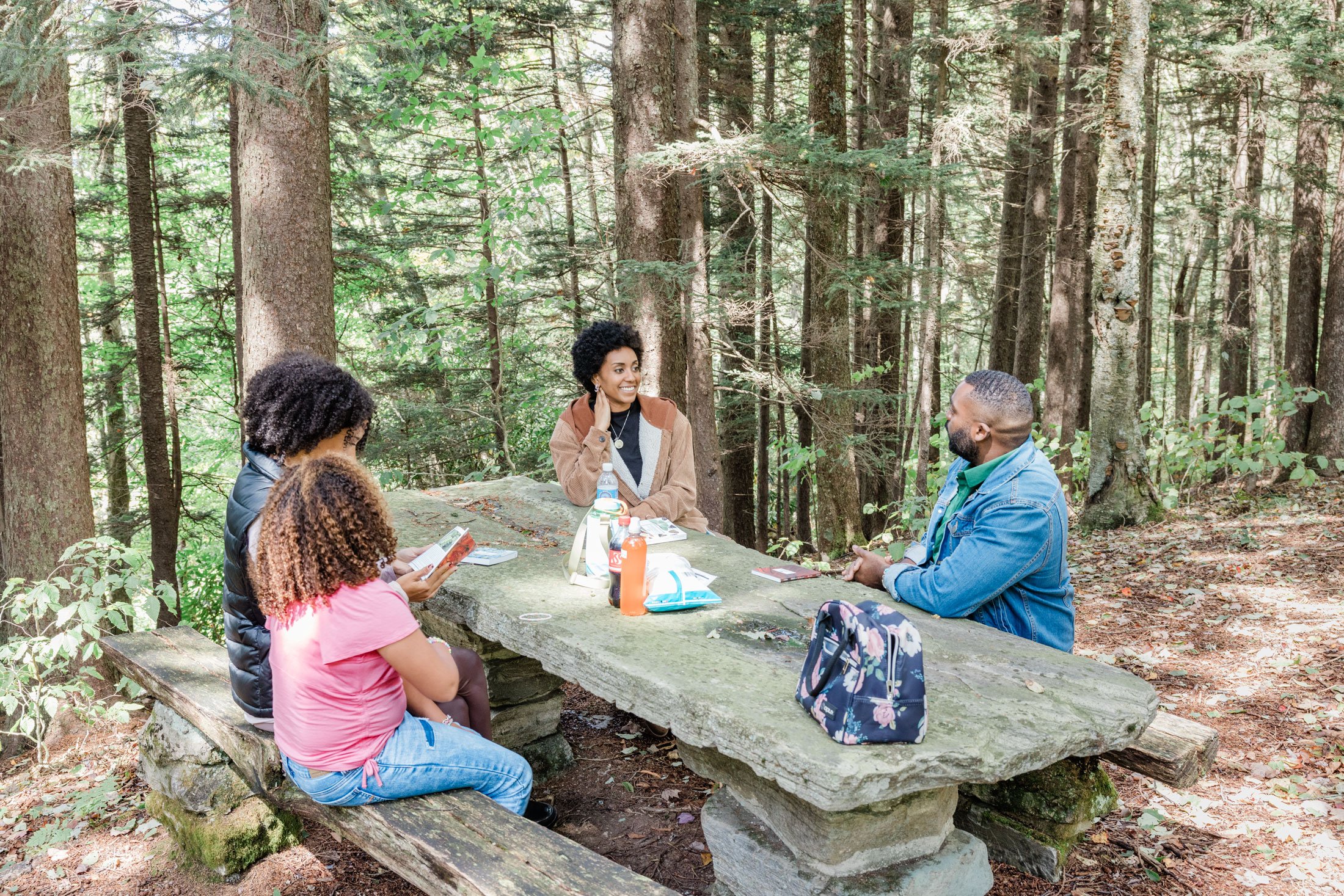
Picnic groves and meadows for family outings
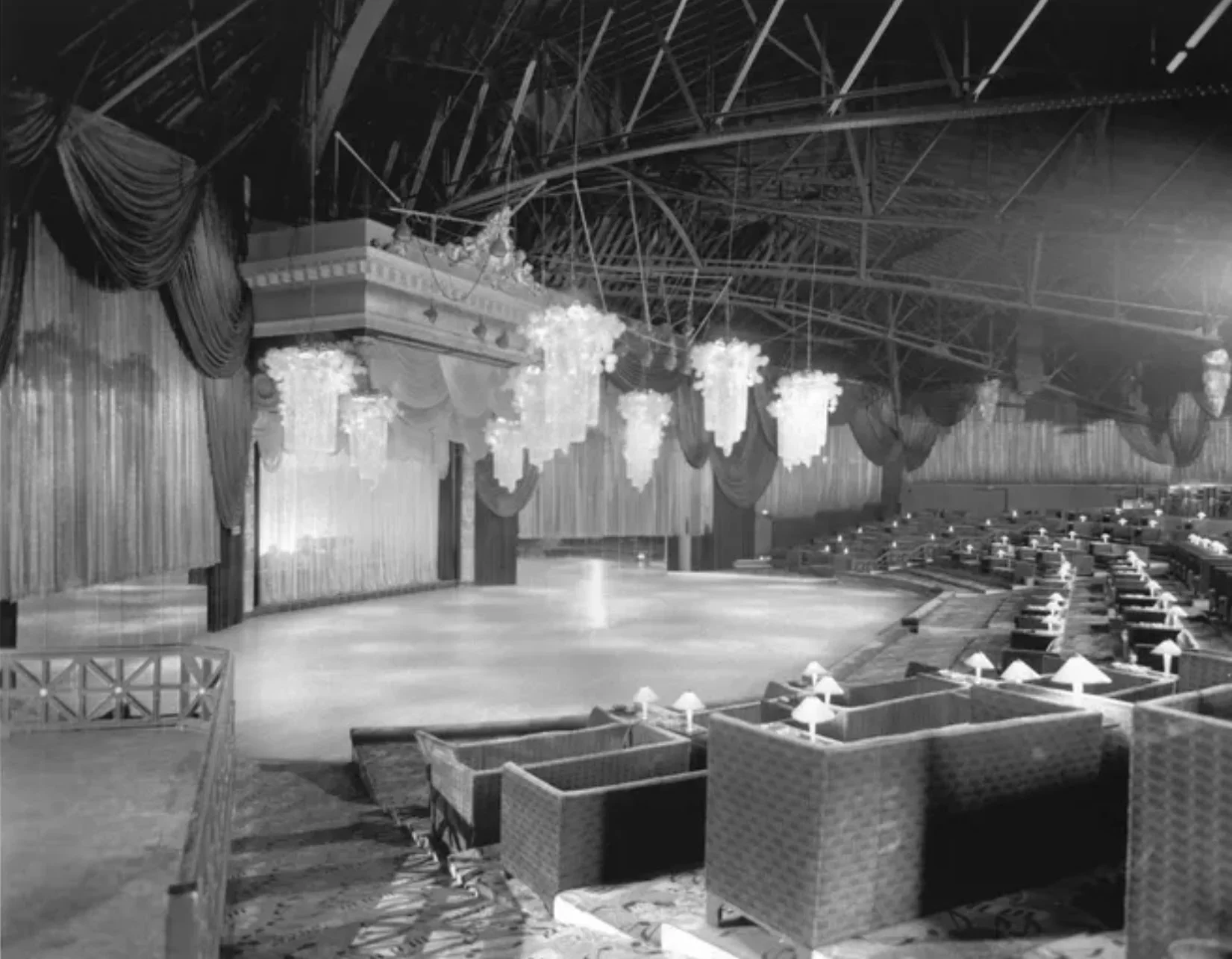
A large ballroom and dance pavilion that hosted big-band performances and social events
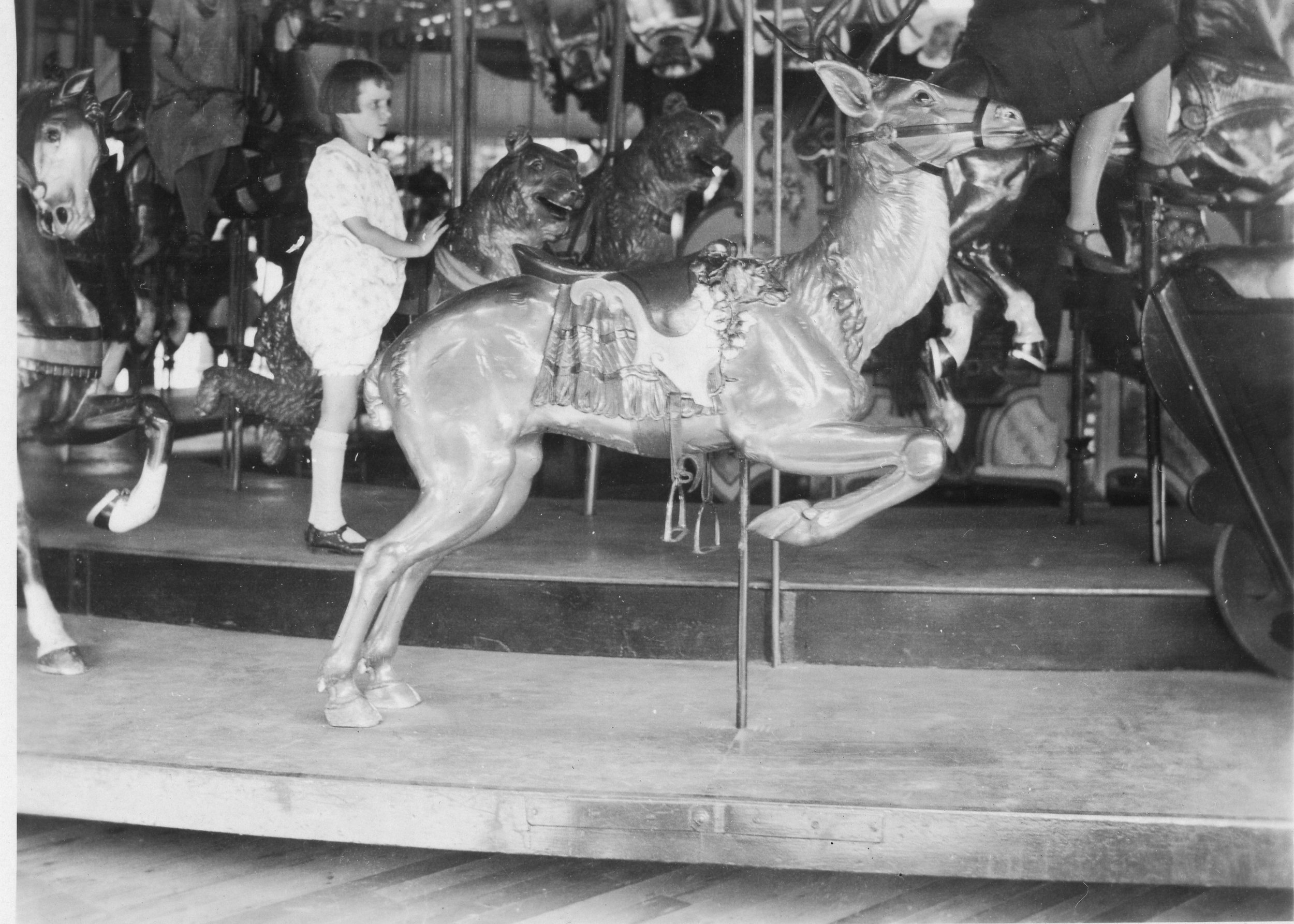
Amusement rides and attractions, especially in summer
It was a favorite destination for Boston families and trolley riders who came for music, dance, nature, and fun.
Cultural Impact
The park was known for its lively social scene:
Big-band dances were a major draw in the 1920s–1940s
It attracted visitors from across the region
It became woven into local memories as a place of summer fun, community events, and outdoor activity
Transition to Conservation Area
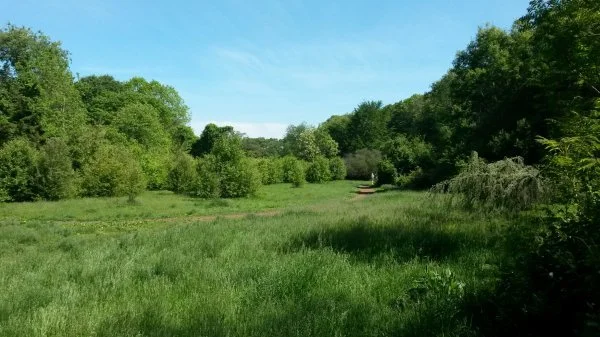
Norumbega Park closed in the early 1960s as car travel replaced trolley excursions and tastes in recreation changed. While the amusement attractions disappeared, the land did not fade entirely.
Today, what once was Norumbega Park is part of the Norumbega Park Conservation Area — a scenic open space along the Charles River in Newton. The area includes:
Walking trails
Meadows and woodlands
Riverfront views
Space for picnicking and nature exploration
It is maintained for passive recreation, wildlife habitat, and public access to the river, continuing the legacy of Norumbega as a place for outdoor enjoyment.
Why It Matters
Norumbega Park is significant both historically and culturally because:
It reflects early 20th-century leisure and recreation trends
It was tied to the era of trolley parks — destinations built specifically to bring riders to nature and fun
Its ongoing conservation reflects community values around preserving natural and historic landscapes