GARDNER MUSEUM HEIST
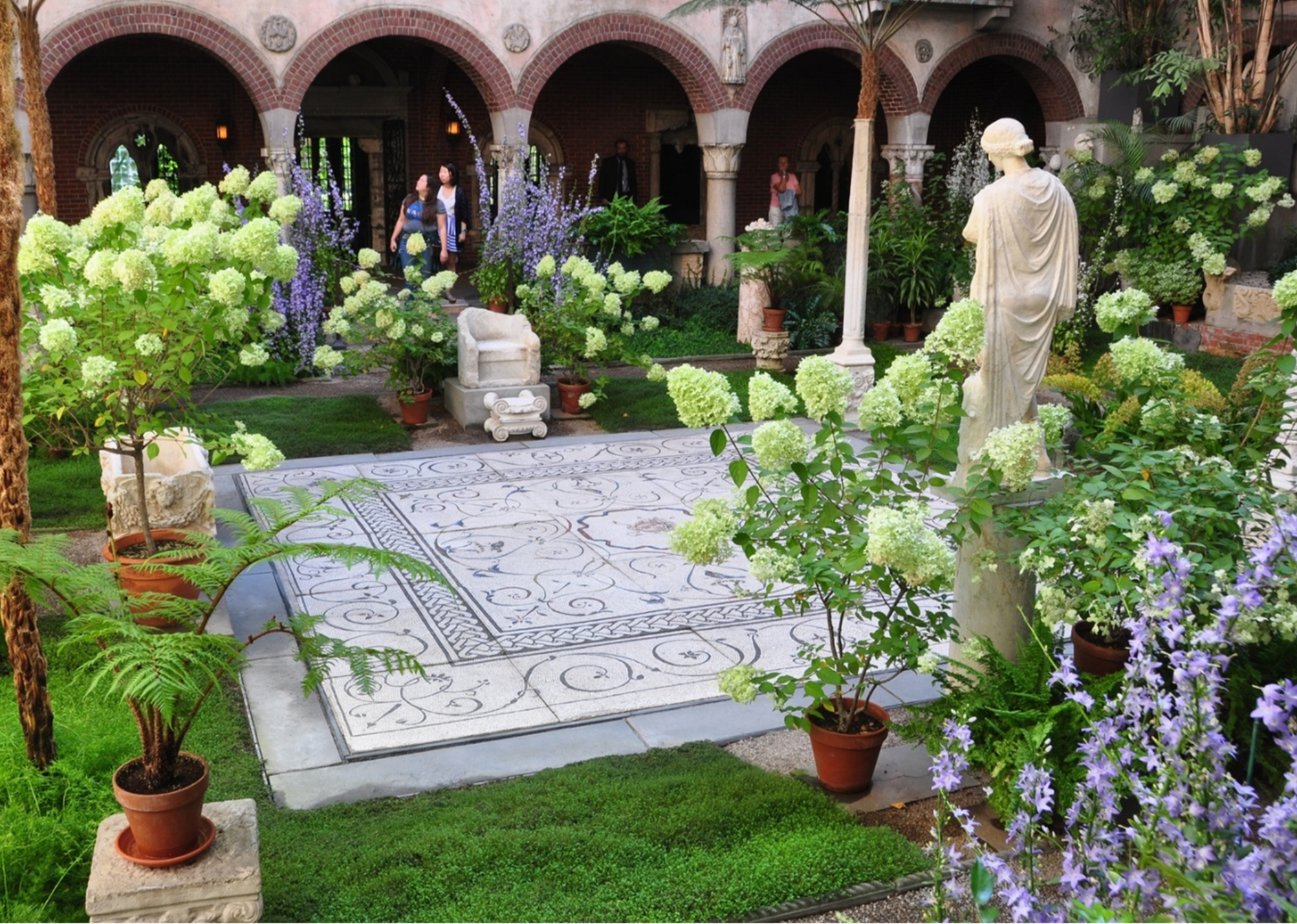
In the early hours of March 18, 1990 — just after midnight on St. Patrick’s Day weekend — two men posing as Boston police officers rang the side doorbell of the Isabella Stewart Gardner Museum. Against protocol, they were allowed inside. Eighty-one minutes later, 13 works of art were gone in what remains the largest unsolved art theft in history. The thieves took masterpieces including Storm on the Sea of Galilee — the only seascape ever painted by Rembrandt van Rijn — along with his A Lady and Gentleman in Black, Johannes Vermeer’s luminous The Concert (one of fewer than three dozen known Vermeers in the world), Edgar Degas’s Chez Tortoni, and Édouard Manet’s Chez le Père Lathuille, among others. Their combined estimated value now exceeds half a billion dollars. None have been recovered.
Over the decades, theories have swirled — from organized crime connections in Boston and New England to international black-market dealings. The mystery captured national attention again with the 2021 Netflix documentary series This Is a Robbery, which revisited the suspects, the investigation, and the haunting human toll of the crime. Yet despite FBI investigations, reward offers, and global media coverage, the paintings remain missing — their absence as famous as the works themselves.
But the Gardner story is no longer only about theft. It is about legacy. The museum’s visionary founder, Isabella Stewart Gardner, stipulated in her will that nothing in the museum be permanently altered. In honoring her wishes, the museum has left the empty gilded frames hanging exactly where the stolen masterpieces once lived in the Dutch Room. They are not replaced with reproductions. They are not filled. They remain — stark outlines of absence — transforming loss into something almost sacred.
In a city so deeply connected to revolution and preservation, the Gardner heist feels like a modern parable about cultural memory. What do we lose when art disappears? What do we safeguard when we refuse to forget? The empty frames have become part of the museum’s identity, inviting visitors to reflect not only on what was taken, but on the enduring responsibility to protect history, creativity, and shared heritage. In that way, the Gardner is not just a site of mystery — it is a living testament to resilience, stewardship, and the enduring power of legacy.
WE highly recommend visiting this glorious museum. We go once a year! Even with the missing masterpieces, it’s still perfect.
Stolen Paintings:
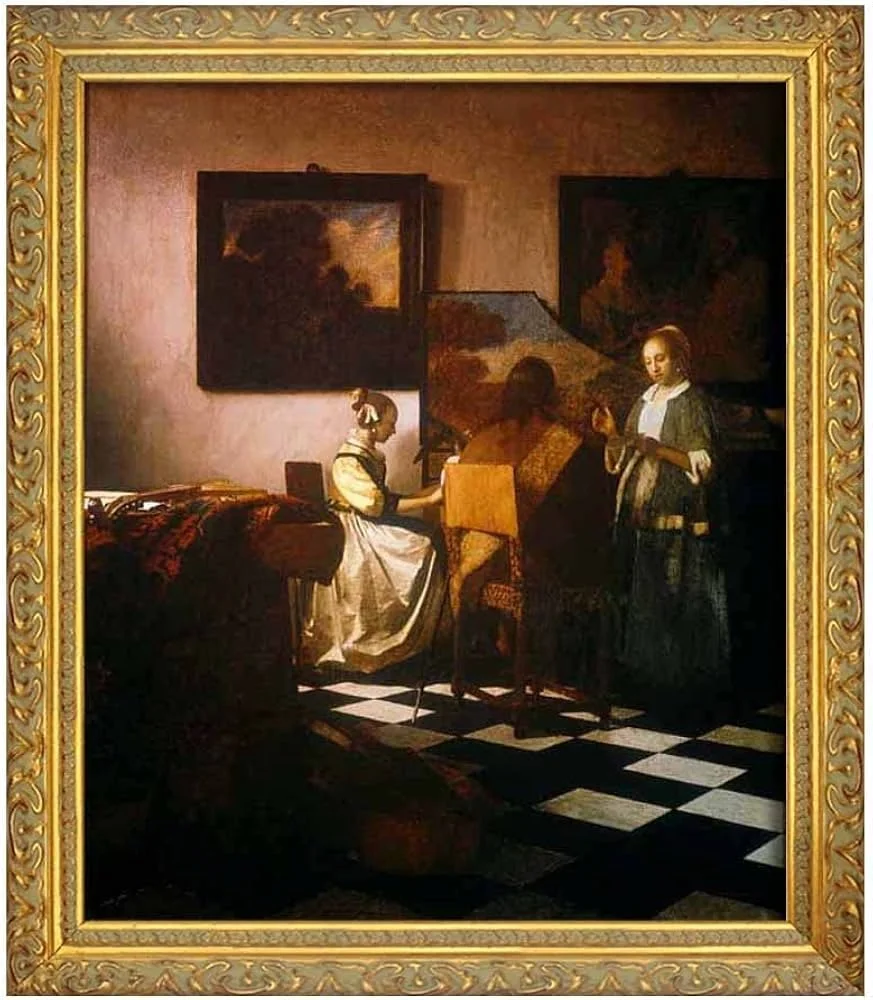
The Concert – Johannes Vermeer
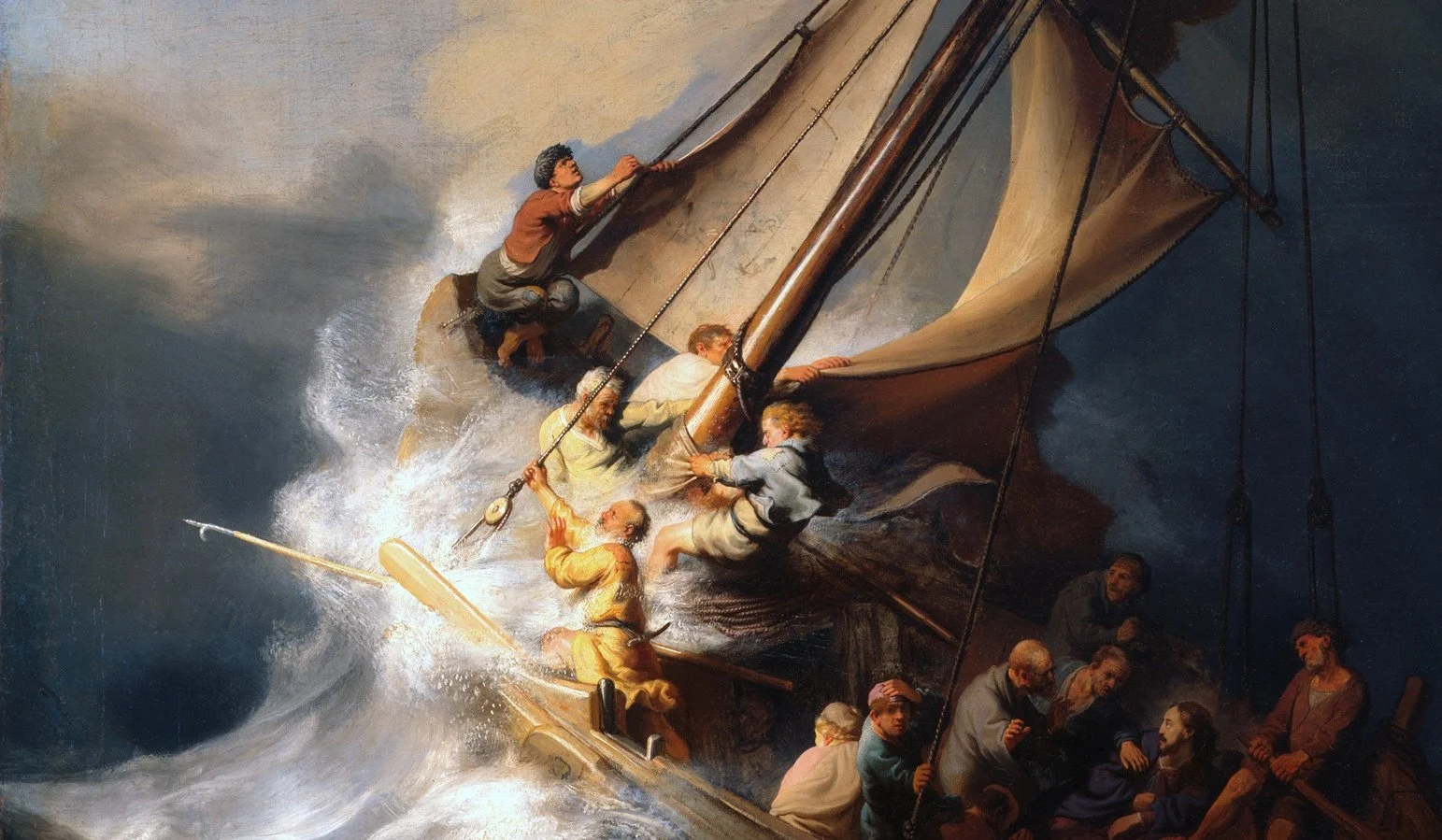
Storm on the Sea of Galilee – Rembrandt van Rijn
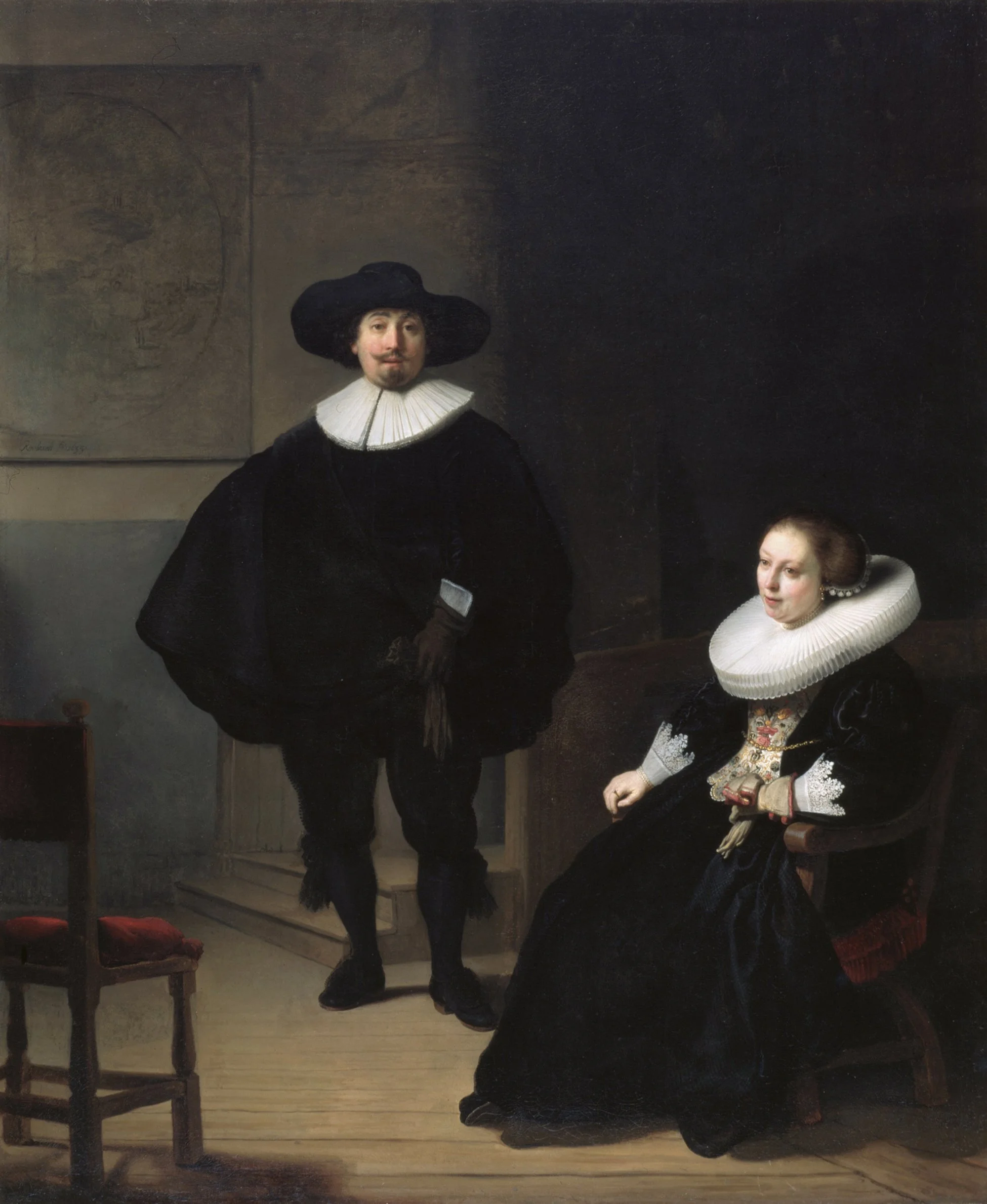
A Lady and Gentleman in Black – Rembrandt van Rijn
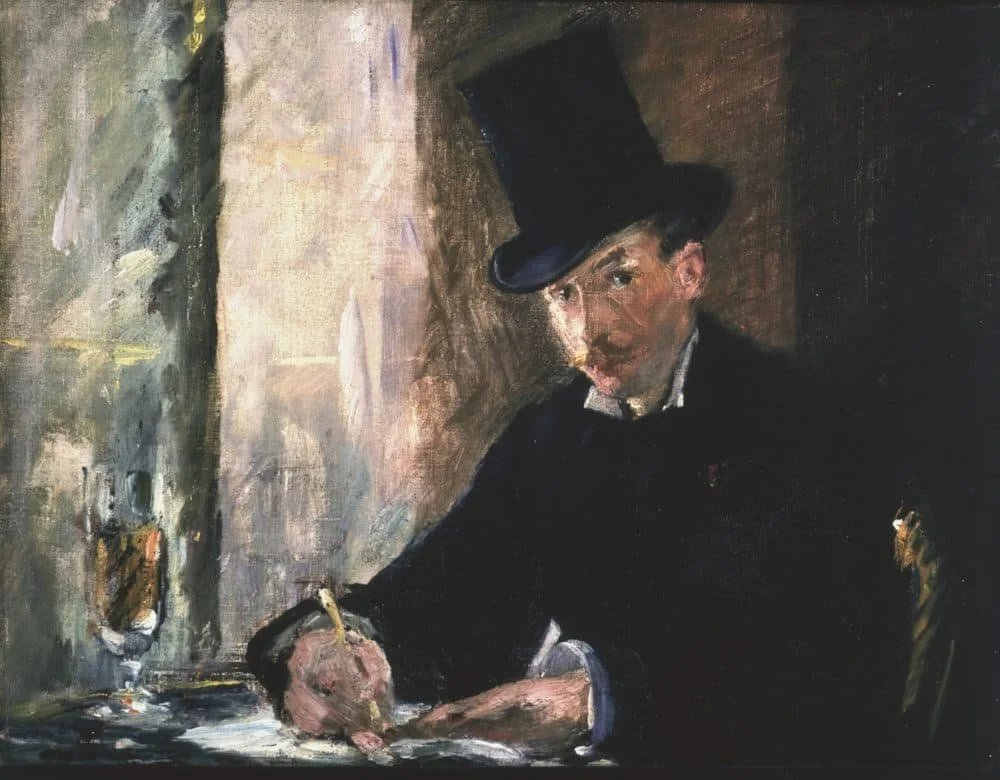
Chez Tortoni – Edgar Degas
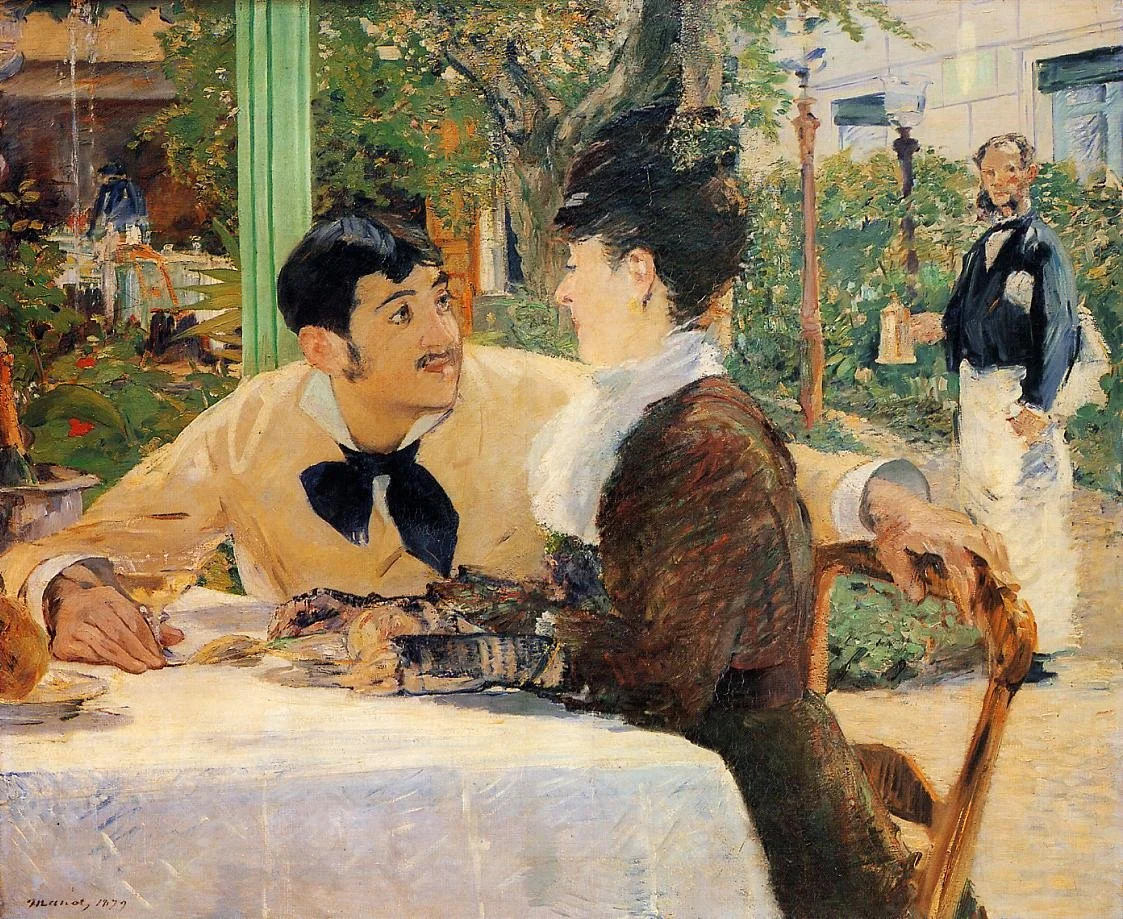
Chez le Père Lathuille – Édouard Manet
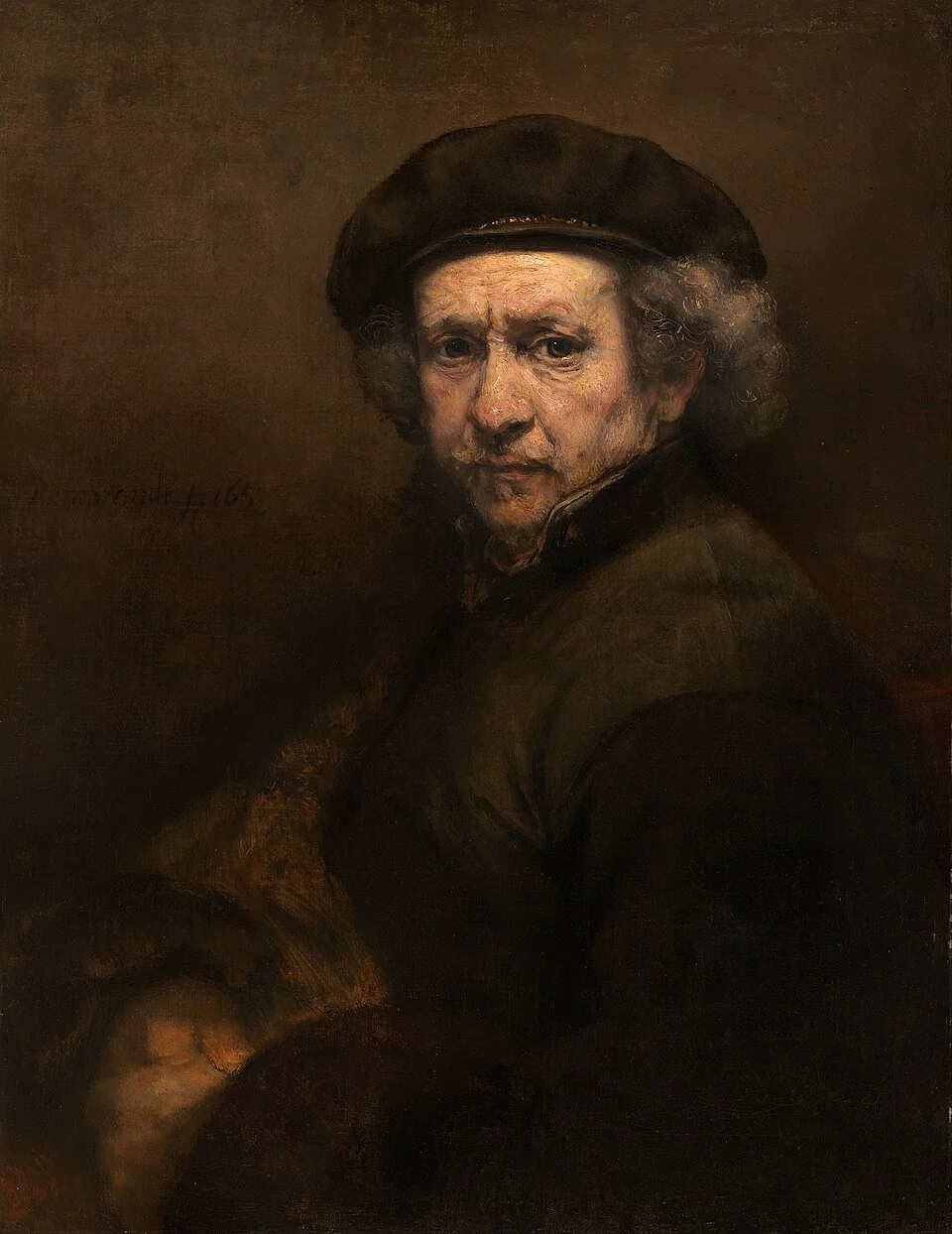
Self-Portrait – Rembrandt van Rijn
Landscape with Obelisk – Govert Flinck
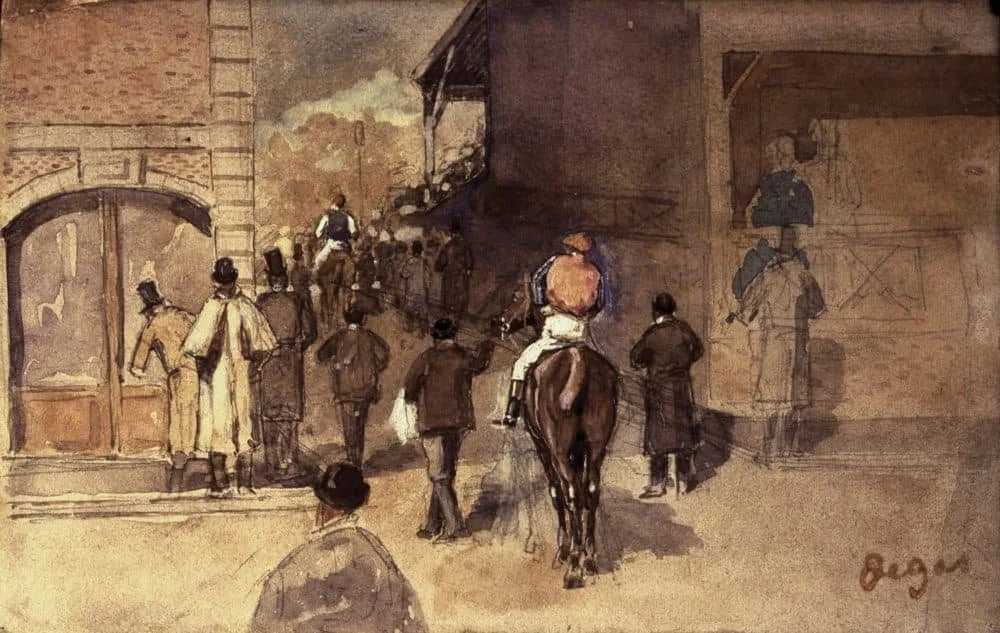
La Sortie de Pesage (Racecourse Scene) – Govaert van der Leeuw
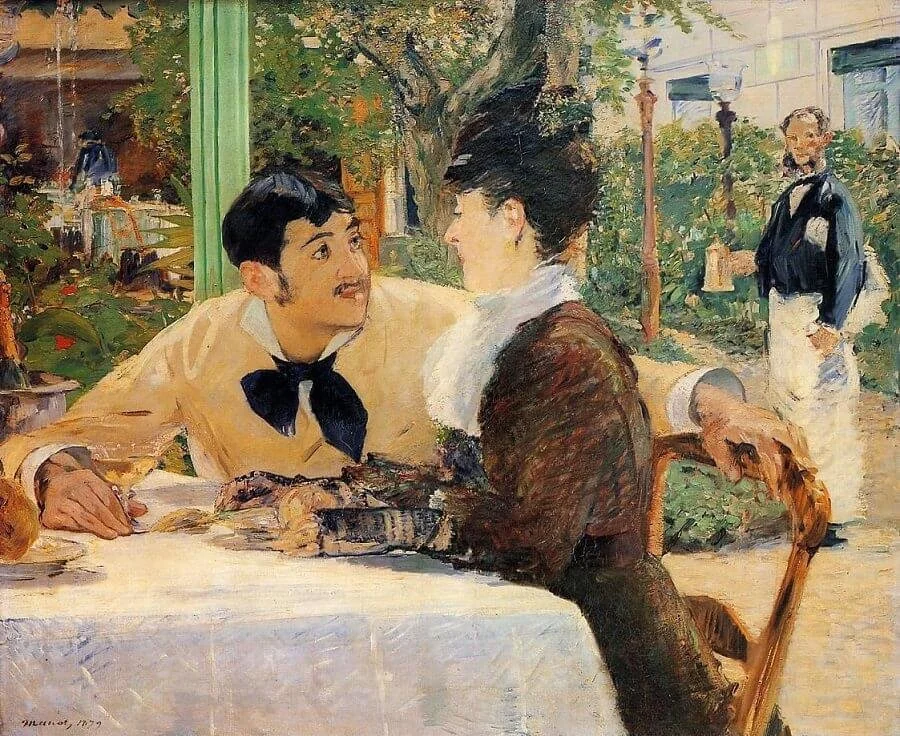
Chez le Père Lathuille – Édouard Manet (note: sometimes listed twice in sources due to catalog confusion)
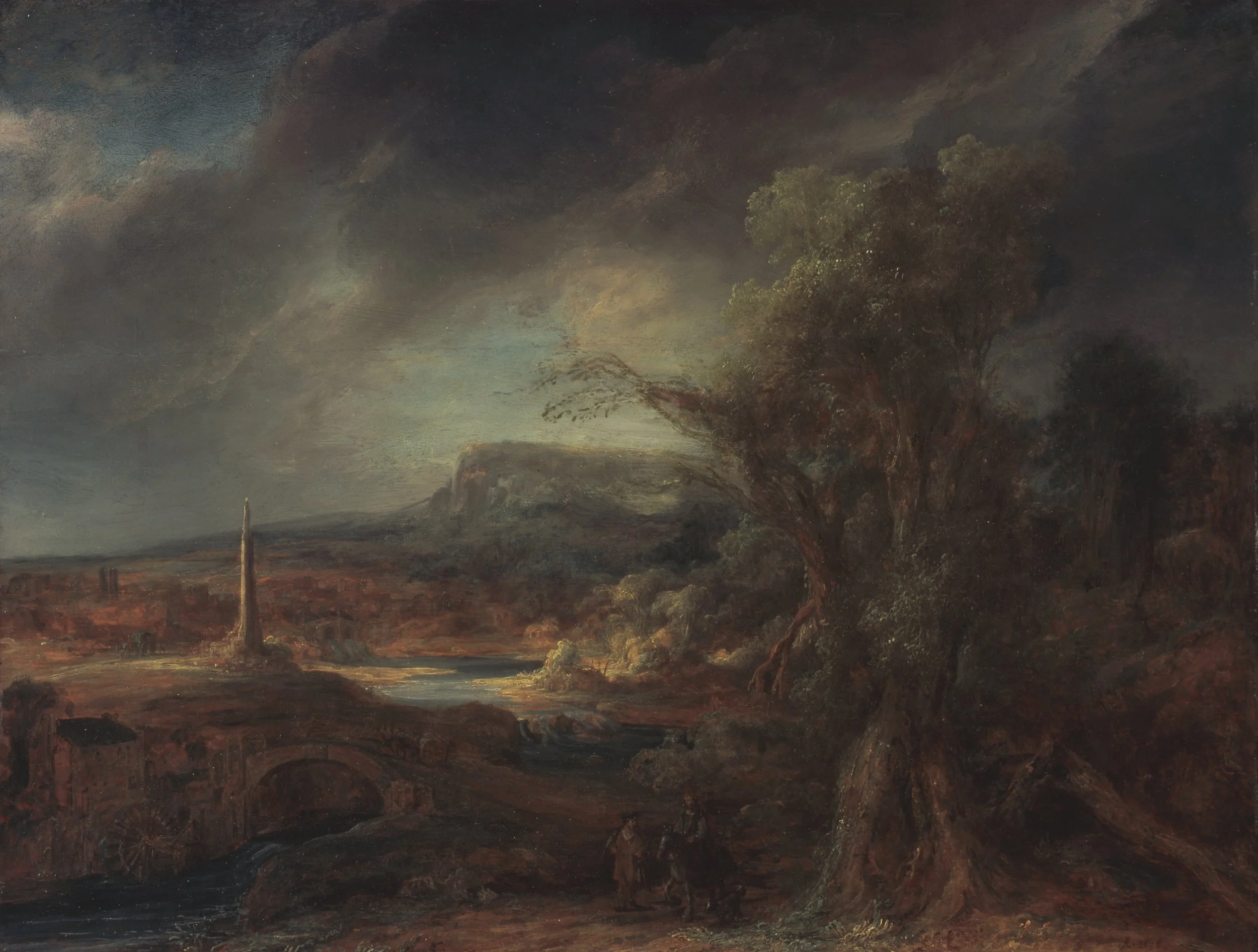
Landscape with Obelisk – Govert Flinck (also sometimes noted twice in records)
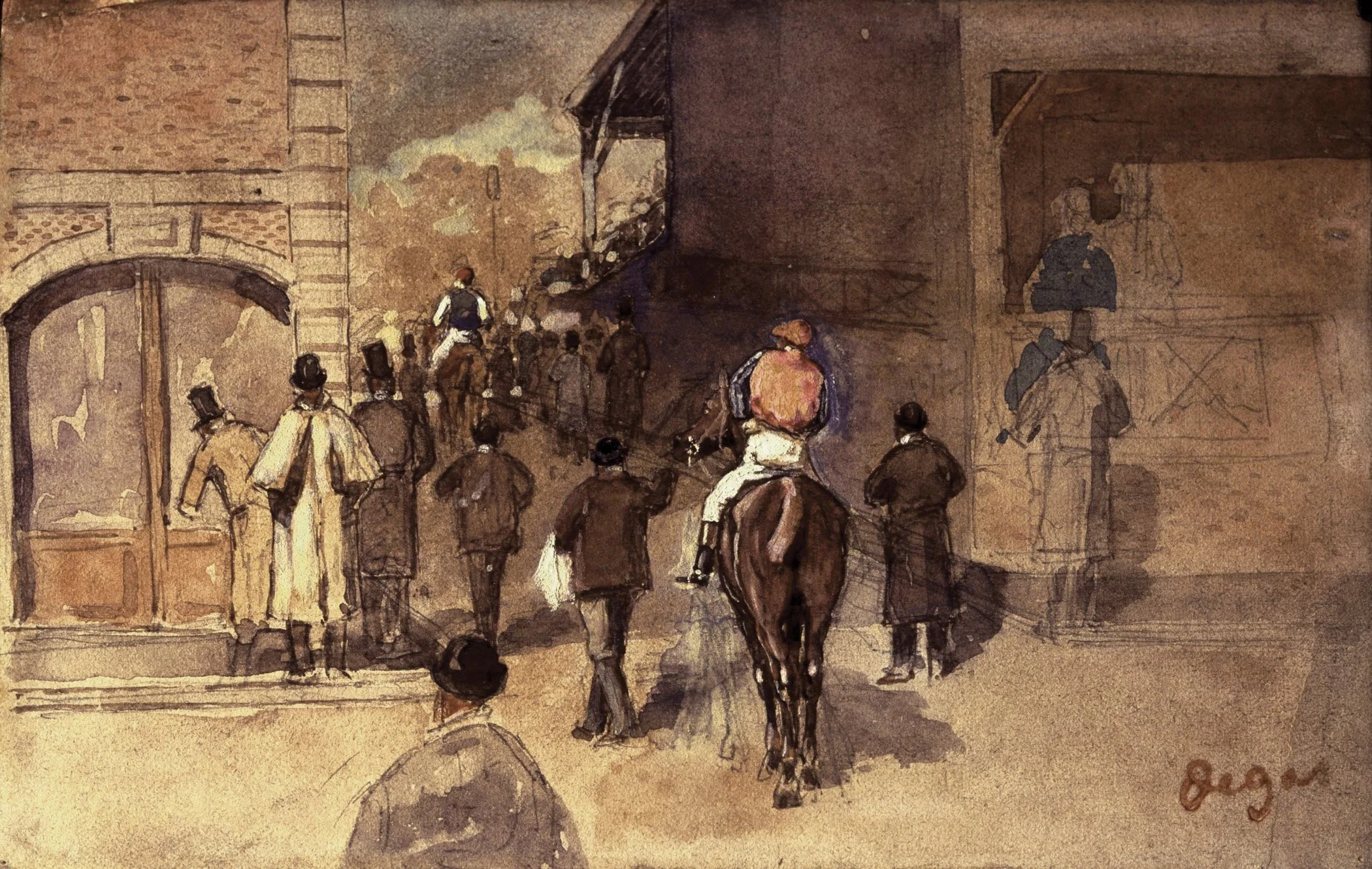
La Sortie de Pesage – Govaert van der Leeuw (same as above duplication in sources)
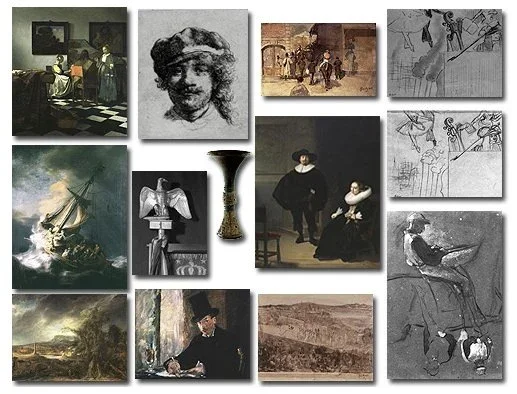
Two Other Works by Unknown Artists – typically listed as lesser-known 17th–18th century European pieces
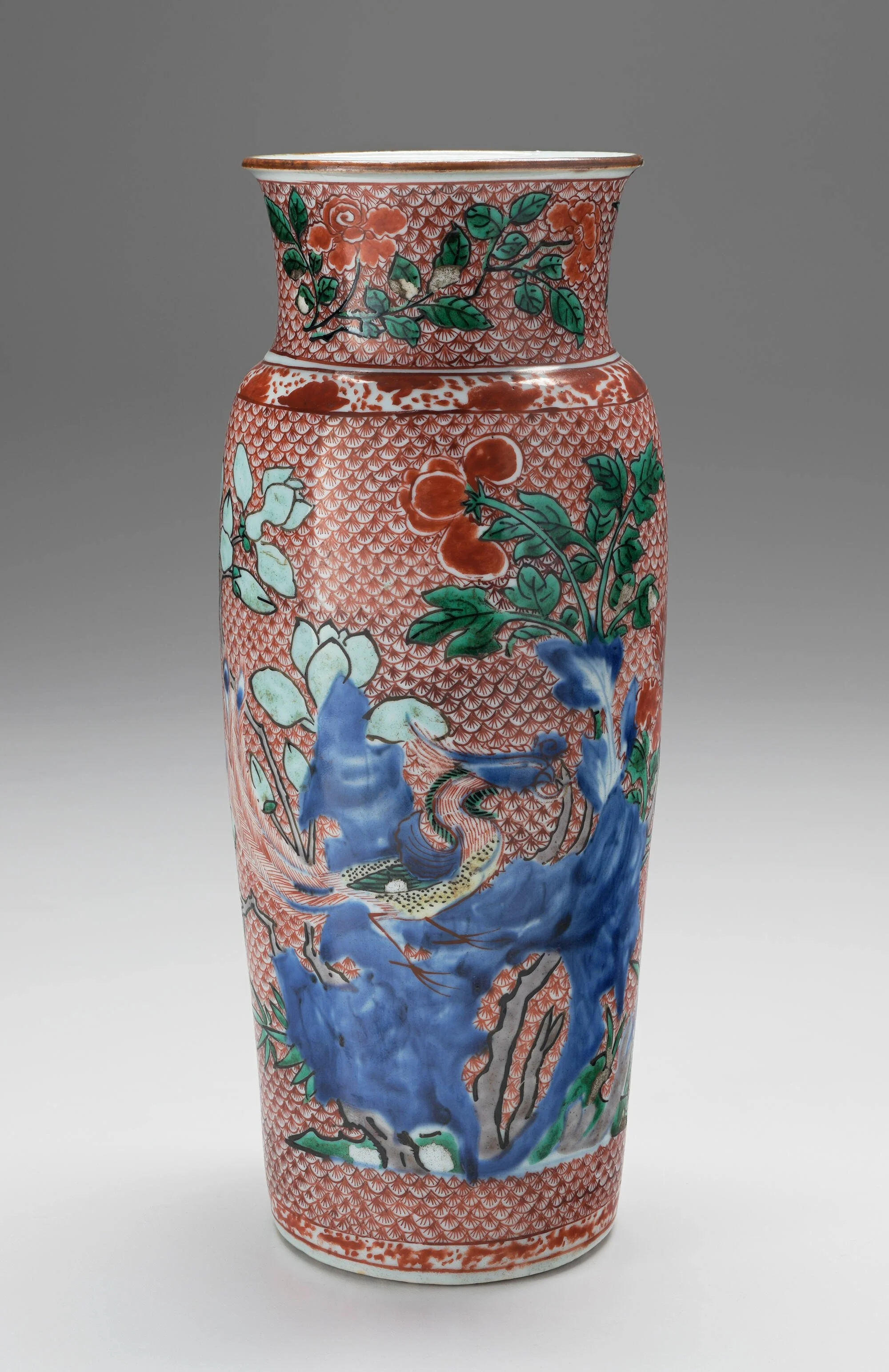
Chinese and Japanese Vases and Tapestries – some non-painting works were also taken